Top 5 Tips to Improve Warehouse Insulation
Top 5 Tips to Improve Warehouse Insulation
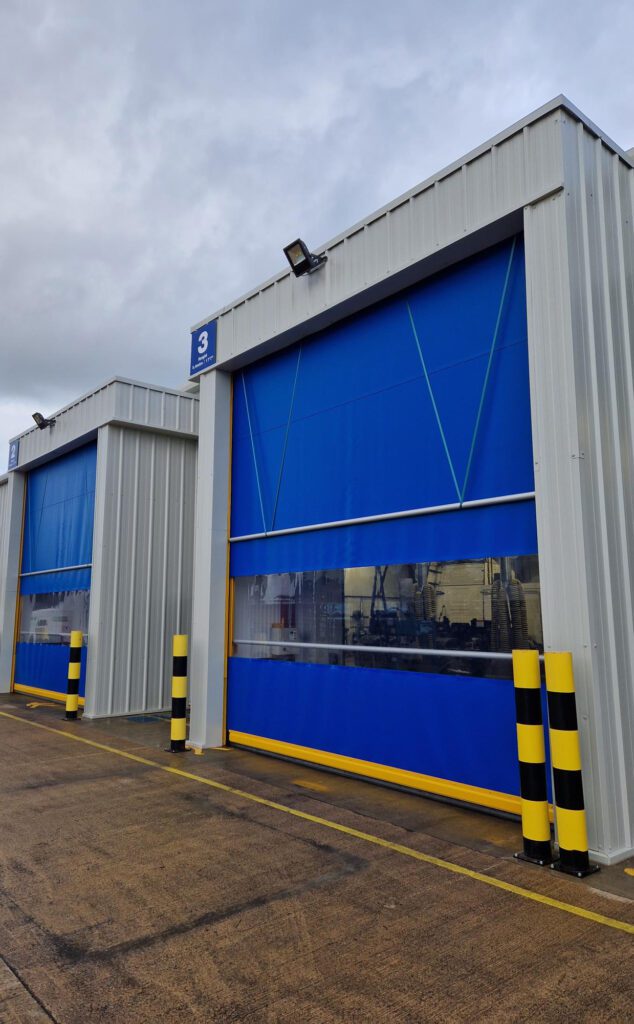
Effective insulation is crucial in warehouse management, directly impacting energy efficiency, cost savings, and overall productivity. Well-insulated warehouses can significantly reduce energy consumption by maintaining stable internal temperatures, regardless of external weather conditions.
This not only lowers energy bills but also enhances the working environment, leading to improved worker productivity and protection of stored goods from temperature fluctuations.
The Importance of Proper Warehouse Insulation
Insulating your warehouse brings several key benefits that can transform how your business operates.
Energy Cost Savings
Proper insulation helps to minimise the need for extensive heating in the winter and cooling in the summer. This reduction in HVAC usage directly translates into lower energy bills, making insulation a cost-effective solution for long-term savings.
Environmental Impact
By reducing energy consumption, insulated warehouses contribute to lower carbon emissions. This is crucial for businesses aiming to meet sustainability goals and improve their corporate social responsibility profiles.
Regulated Conditions for Stored Goods
Many products, especially those that are temperature-sensitive, require stable conditions to maintain their quality. Effective insulation helps in maintaining these conditions, reducing the risk of spoilage and ensuring compliance with industry standards.
This focus on insulation not only enhances operational efficiency but also ensures that your warehouse can adapt to changing environmental conditions while keeping overheads in check.
Insulated Warehouse Doors
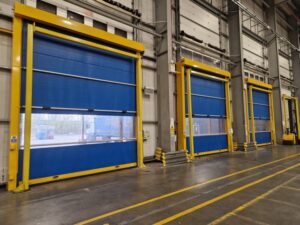
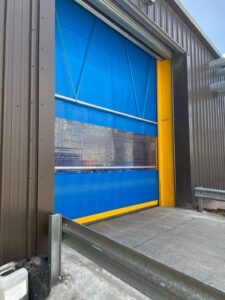
Using insulated roller shutter doors is key to minimising energy loss in warehouses. These doors are designed to provide a barrier against external temperature fluctuations, helping to maintain a consistent internal environment.
This is particularly important in warehouses where temperature control is crucial to protect stored goods or ensure comfortable working conditions. Insulated doors reduce the burden on heating and cooling systems, leading to significant energy savings.
Ardent Freezer Doors
The Klimate K2 is one of BID Group’s premier, temperature regulating, high speed doors – with the ability to minimise variation in conditions, reducing energy loss and improving the efficiency of the refrigeration system.
Insulating a refrigerated warehouse may seem counterintuitive, however, without quality insulation the conditions in a warehouse would be subject to change, affecting the optimum operational output, subsequently affecting a business’s profit turnover.
BID Group’s Klimate K2 Freezer doors feature an adjustable air defrost system to ensure the door remains ice and condensation free, automatically switching off when the door is opened, reducing energy by up to 50%. The K2 Freezer door only uses a 20 Amp supply during operation, further enhancing its performance.
Roof Insulation
The roof is one of the primary areas where heat can be lost or gained in a warehouse. Effective roof insulation plays a critical role in preventing this heat loss and maintaining consistent interior temperatures, which is essential for energy efficiency.
By reflecting heat during the summer and retaining warmth during the winter, well-insulated roofs help stabilise internal temperatures and reduce the need for artificial heating and cooling. This not only saves on energy costs but also extends the lifespan of roofing materials by protecting them from the elements.
Optimising Wall Insulation
Wall insulation is another critical factor in creating an energy-efficient warehouse. Options such as spray foam insulation can be particularly effective for walls made from corrugated metal, a common material in warehouse construction. Spray foam not only provides high insulation values but also seals gaps and cracks, preventing drafts and moisture ingress.
This type of insulation can significantly enhance thermal performance and energy conservation, making it an ideal choice for upgrading existing structures or designing new ones.
Comparing Insulation Types
Different insulation materials can vary greatly in terms of cost, effectiveness, and suitability for specific applications. Common insulation types for warehouses include:
- Fibreglass: Inexpensive and effective, but can be difficult to install in non-standard spaces without professional help.
- Spray Foam: Offers excellent thermal resistance and air sealing, but at a higher initial cost. It is particularly effective for irregular surfaces and complex geometries.
- Rigid Foam Boards: Provide high R-values per inch of thickness and can be used in floors, walls, and roofs, but the material cost and installation can be higher than traditional materials.
Loading Dock Insulation
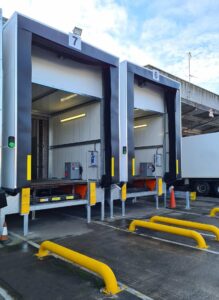
Insulation plays a vital role in the design of warehouse loading docks. Properly insulating these areas ensures minimal energy loss during loading and unloading operations—a time when large openings are frequently exposed to external conditions
Effective dock insulation can include seals and shelters that minimise the gap between the dock and transport vehicles, thereby reducing air leakage and helping maintain the controlled environment necessary for energy efficiency.
Cost-Effectiveness and Energy Savings
Investing in high-quality insulation solutions can yield significant long-term savings and environmental benefits. Improved insulation reduces the need for heating and cooling systems to work as hard, which lowers energy consumption and utility bills.
Additionally, maintaining indoor temperatures can extend the lifespan of stored goods and equipment, decreasing waste and replacement costs. Environmentally, reducing energy consumption also lowers greenhouse gas emissions, supporting your company’s sustainability goals.
Calculating the ROI involves comparing the upfront costs of insulation upgrades against the ongoing energy savings and operational efficiencies achieved over time.
Maintenance and Upkeep of Insulated Facilities
To maximise the effectiveness of insulation over time, regular maintenance checks are crucial. These checks should include inspecting insulation for damage such as moisture accumulation, pest infestation, or physical degradation, which can compromise its thermal resistance.
Regular maintenance not only ensures optimal performance but also helps in catching issues early, which can save on costly repairs down the line.
Common Insulation Issues
Common insulation issues in warehouses include gaps and cracks in insulation layers, compression or sagging of materials, and moisture problems, which can all lead to reduced effectiveness. Solutions might involve patching gaps with appropriate materials, replacing damaged sections of insulation, or improving moisture control strategies within the facility.
Servicing and Maintaining Insulated Doors
A faulty industrial door can cause a host of issues, from disrupting operations and compromising security to losing energy.
That’s why we have a team of over 60 highly trained engineers working 24/7, 365 days a year, we are always ready to address any issues you may have, ensuring your industrial doors are always operational and your business keeps running smoothly. Trust in BID Group for your insulated industrial door repairs- your business never stops, so neither do we.
Insulated Doors for Your Warehouse at BID Group
If you’re looking to enhance your warehouse’s energy efficiency and operational efficiency through improved insulation, don’t hesitate to reach out. Contact BID Group today for a personalised consultation to explore our range of insulated roller shutter doors and other innovative insulation solutions tailored to meet your specific needs.
Whether you are upgrading existing facilities or designing new ones, our team is ready to help you achieve your energy-saving goals.