High Speed Door Cycle Ratings Explained
High Speed Door Cycle Ratings Explained
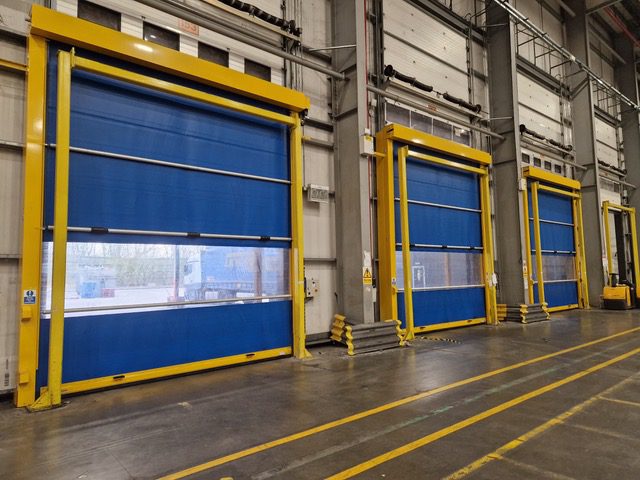
Industrial doors are designed for frequent operation in busy industrial environments, but not all of them are built to handle the same level of daily use.
When selecting a door for your facility, an important factor to consider is how many opening and closing cycles a door is expected to perform over time.
What Is a High Speed Door Cycle Rating?
A cycle is one complete opening and closing movement of a door.
A high speed door cycle rating refers to how many times a door can operate within a set period. This may be expressed as:
- Cycles per hour
- Cycles per day
- Total lifecycle expectancy
In some cases, cycle performance is referenced within warranty terms, for example a set number of months or a maximum number of operating cycles, whichever comes first.
It is also important to understand the difference between a theoretical maximum and recommended usage. A door may technically be capable of operating a certain number of times, but consistent use at the upper limit can increase wear. Recommended usage levels are typically designed to support reliable, long term operation.
 Why Cycle Ratings Matter
Cycle performance directly affects reliability, maintenance requirements and overall cost of ownership.
Preventing Premature Wear
Motors, control systems, rollers and other moving components naturally wear over time. The more frequently a door operates, the more strain is placed on these parts.
If a door is regularly used beyond its intended cycle capacity, wear can accelerate and components may fail sooner than expected.
Reducing Downtime
Doors that are overused in high traffic environments are more likely to experience faults or breakdowns. This can interrupt workflow, delay goods movement and create operational bottlenecks.
Selecting a door suited to the level of daily traffic helps reduce the risk of unexpected disruption.
Protecting Your Investment
Matching the door specification to actual traffic levels extends lifespan and supports consistent performance.
Cycle performance should therefore be considered during the specification stage as choosing the right capacity helps ensure the door can keep pace with your operation from the outset.
What Is Considered High Frequency Use?
The definition of high frequency will vary depending on the type of facility, but daily cycle volume provides a useful guide.
As a general benchmark:
- Low frequency: 20 to 50 cycles per day
- Medium frequency: 50 to 200 cycles per day
- High frequency: 200 or more cycles per day
Low frequency use may be typical for secondary access points, plant rooms or areas with limited daily traffic.
Medium frequency use is common in warehouse dispatch bays or internal production zones where goods and staff move between areas throughout the day.
High frequency use is often seen in distribution hubs, busy warehouse loading areas and cold storage facilities where doors may operate continuously across multiple shifts.
Factors That Affect Cycle Performance
Several factors influence how a door performs over time:
Motor quality
Higher quality motors are typically designed to withstand repeated operation and sustained demand. Lower specification motors may struggle in high traffic environments.
Control system design
The responsiveness and durability of the control panel and drive system can affect how smoothly the door operates under frequent use.
Door size
Larger doors require more power to lift and lower, placing additional strain on motors and mechanical components.
Environmental conditions
Moisture, dust and airborne contaminants can increase wear on moving parts.
Temperature extremes
Cold storage and freezer applications can place additional stress on motors and components, particularly where condensation is present.
Wind load resistance
Externally exposed doors may work harder to maintain stability in windy conditions, especially if cycling frequently.
Maintenance frequency
Regular servicing helps identify wear early and keeps components properly adjusted, supporting longer service life.
In harsh or demanding environments, the effective lifespan of a door may be reduced if it is not correctly specified or maintained. Cycle performance should always be considered alongside operating conditions, not in isolation.
Cycle Ratings in Cold Storage & High Demand Environments
Cold storage and other high demand environments place additional pressure on high speed doors.
In freezer facilities, doors may cycle hundreds of times per day to maintain workflow while limiting temperature loss. This constant operation increases wear on motors, control systems and moving components.
Temperature differentials also add strain. Moving between ambient and sub zero conditions can create condensation, material contraction and increased resistance within mechanical parts. Over time, this can affect performance if the door is not designed for low temperature use.
For these applications, it’s important to specify freezer rated motors, suitable control systems and components built to perform reliably in extreme conditions. Cycle capacity should be considered alongside thermal performance to ensure consistent long term operation.
Signs Your Door May Be Exceeding Its Cycle Capacity
If a high speed door is being used more frequently than it was designed for, early warning signs often appear.
Facilities managers should look out for:
- Frequent motor faults or control errors
- Motor overheating
- Slower opening or closing speeds
- Increased breakdowns or call outs
- A noticeable rise in maintenance requirements
These issues may indicate that the door is under sustained strain. Reviewing usage levels and comparing them to the original specification can help determine whether an upgrade or higher capacity solution is required.
How to Choose the Right Cycle Capacity for Your Facility
Selecting the right cycle performance starts with understanding how the door will be used in practice.
Consider the following:
- Overall traffic flow through the opening
- Number of operating shifts per day
- Peak periods of activity
- Planned future growth or increased throughput
- Integration with automation or conveyor systems
A door that performs well today may struggle if production increases or operational patterns change.
Working with an experienced industrial door supplier like BID Group ensures that traffic levels, environmental conditions and long term operational goals are all factored into the specification. This helps deliver a solution that supports reliable performance and protects your investment over time.
Cycle Ratings FAQs
Is a higher cycle rating always better?
Not necessarily. While a higher cycle capacity can support demanding environments, over‑specifying may increase upfront cost unnecessarily. The right choice depends on your actual traffic levels and operational needs.
Do cycle limits reset each year?
Cycle performance is usually measured over the lifetime of the door or within warranty terms, not annually. For example, a warranty may state a time period or maximum number of cycles, whichever comes first.
Can an existing high speed door be upgraded for higher cycle use?
In some cases, components such as motors or control systems can be upgraded. However, this depends on the original door design and structural capability. A full assessment is typically required to determine feasibility.
How can I estimate how many cycles my door performs per day?
You can calculate this by observing traffic flow during peak and non‑peak hours, then multiplying by the number of operating hours or shifts. Some modern control panels also track cycle counts automatically.
Does door speed affect cycle lifespan?
Higher opening and closing speeds can improve efficiency, but they may also increase wear if the door is not designed for sustained high frequency use. The overall system design and motor specification are key factors.
How does maintenance impact cycle performance?
Regular servicing helps ensure moving parts are properly aligned, lubricated and functioning efficiently. Preventative maintenance can significantly extend operational lifespan, especially in high frequency environments.