Why are the New Ardent Stainless Steel Doors Ideal for Food Processing Facilities?
Why are the New Ardent Stainless Steel Doors Ideal for Food Processing Facilities?
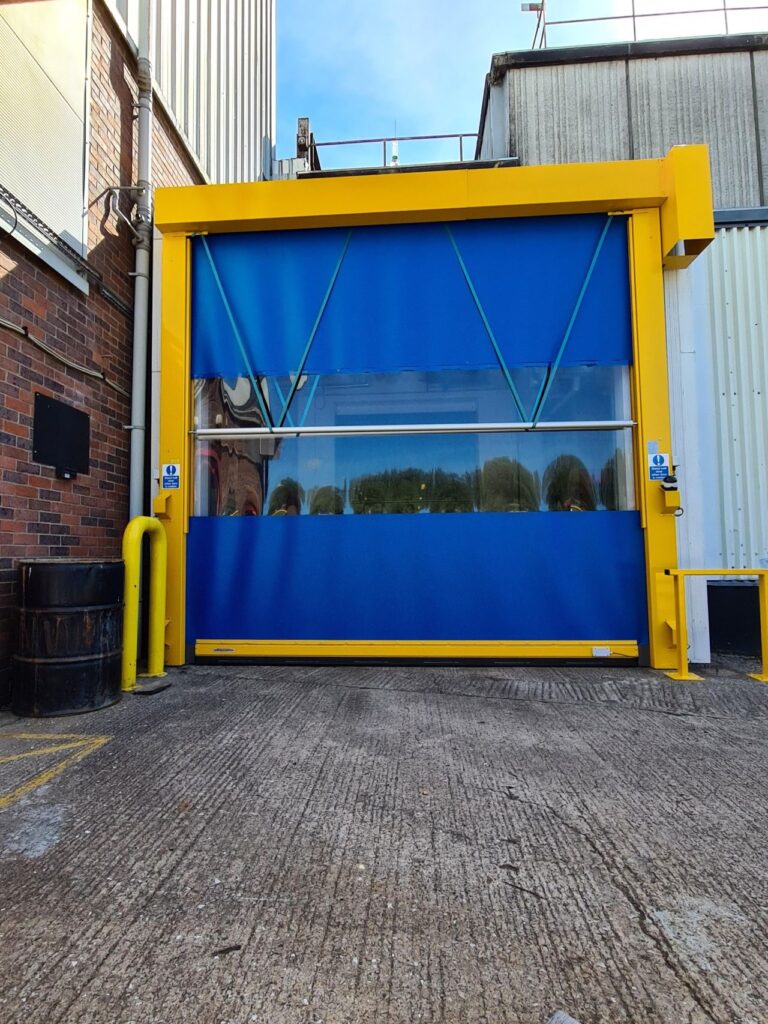
Choosing the right doors for food processing facilities is essential in maintaining high standards of hygiene and operational efficiency. In environments where cleanliness and contamination control are a priority, the quality and type of doors used can significantly impact daily operations and compliance with health and safety regulations.
Ardent Stainless Steel Doors are designed specifically to meet these demands, providing a solution that not only enhances the efficiency of food processing settings but also supports stringent hygiene protocols.
The Importance of Material Selection in Food Processing Doors
What is Food Grade Stainless Steel?
Food grade stainless steel is a material known for its resistance to corrosion and staining. It is an alloy that includes elements such as chromium, nickel, and molybdenum, which give it its characteristic resilience and shine. This type of stainless steel is ideal for food processing environments due to its non-reactive surface, which does not leach compounds into the food products or absorb bacteria, making it safe for contact with food.
Advantages of Stainless Steel in Food Processing
Stainless steel offers several properties that make it superior for use in food processing facilities:
- Corrosion Resistance – It withstands exposure to a wide range of chemicals and extreme conditions without deteriorating, crucial in environments that require frequent washing and sanitation.
- Ease of Cleaning – The smooth surface allows for easy cleaning and disinfecting, essential for maintaining food safety standards.
- Non-Porous Surface – Unlike other materials that might harbor bacteria and pathogens, stainless steel does not have pores that allow microorganisms to grow, significantly reducing the risk of contamination.
Why Choose Ardent Stainless Steel Doors?
Ardent Stainless Steel Doors are crafted with precision, incorporating features that cater specifically to the high demands of the food processing industry. These doors are constructed from high-grade stainless steel that ensures longevity and resistance to physical and chemical wear. The design includes a seamless construction with no crevices that could trap particles or bacteria, ensuring compliance with the strictest hygiene standards.
Food Safe Doors: Compliance and Certifications
Ardent Stainless Steel Doors meet all relevant industry standards and certifications for food safety. They are manufactured in compliance with regulations that stipulate the requirements for materials that come into contact with food. The doors also undergo rigorous testing to ensure they can withstand the operational demands of food processing environments without compromising safety or quality.
Benefits of Ardent Stainless Steel Doors for Food Processing Facilities
Enhanced Hygiene and Easy Maintenance
The smooth, non-porous surfaces of Ardent Stainless Steel Doors greatly facilitate strict hygiene practices required in food processing.
Their design minimises the accumulation of dirt and bacteria and simplifies the cleaning process, allowing for the use of various sanitising agents without damaging the door surface. This ease of maintenance helps ensure that hygiene standards are effortlessly upheld.
Durability and Reliability in Harsh Environments
In the challenging environments of food processing facilities, where doors are frequently exposed to moisture, high temperatures, and corrosive cleaning agents, Ardent Stainless Steel Doors maintain their integrity over time. Their robust construction ensures that they can withstand frequent washdowns, exposure to acidic environments, and the general wear and tear of heavy industrial use, proving to be a cost-effective solution in the long run.
These features make Ardent Stainless Steel Doors an ideal choice for food processing facilities looking to maintain top hygiene standards while ensuring operational efficiency and compliance with food safety regulations.
Maintaining Cold Storage Doors
Regular maintenance is key to the longevity and reliability of cold storage doors. Here are essential maintenance tips:
Regular Cleaning
Keep the doors and their components clean from debris and dust that can accumulate and cause wear or operational issues.
Lubrication
Periodically lubricate moving parts to ensure smooth operation and to prevent rust or wear.
Check Insulation and Seals
Regularly inspect the insulation and seals for any signs of wear or damage. If you notice any issues, don’t hesitate to contact us and we’ll send out one of our engineers as quickly as possible.
Scheduled Maintenance
The best way to keep your freezer doors operating as they should is to have annual preventative maintenance checks. At BID Group, we know that a faulty freezer door can cause all sorts of problems. That’s why we offer reliable maintenance and servicing to keep your doors running at their best.
With our team of over 60 highly trained engineers working 24/7, 365 days a year, we are always ready to address any issues you may have, ensuring your industrial doors are always operational and your business keeps running smoothly.
Freezer Door FAQs
What are the best cold storage doors for small commercial facilities?
For small commercial facilities, insulated sliding doors or overhead sectional doors are ideal. They provide excellent thermal efficiency and can be designed to fit smaller spaces without requiring the large operational clearance needed for swing doors.
How often should freezer room doors be serviced?
Freezer room doors should be serviced at least annually. However, for doors in high-traffic areas or in critical use, more frequent servicing every 6 months may be necessary to ensure optimal performance and safety.
What are the signs that a cold storage door needs replacing?
Signs that a cold storage door needs replacing include difficulty in maintaining temperature, visible damage to the door or its seals, increased energy bills, and frequent need for repairs.
How do commercial freezer doors differ from regular cold store doors?
Commercial freezer doors are typically designed for environments that require maintaining temperatures below freezing. They often feature more robust insulation, heated frames to prevent ice buildup, and rapid operation speeds to minimise air infiltration. In contrast, regular cold store doors may operate in less extreme temperatures and typically have features suited for refrigeration rather than deep freezing.