Common Automated Gate Problems and How to Fix Them
Common Automated Gate Problems and How to Fix Them
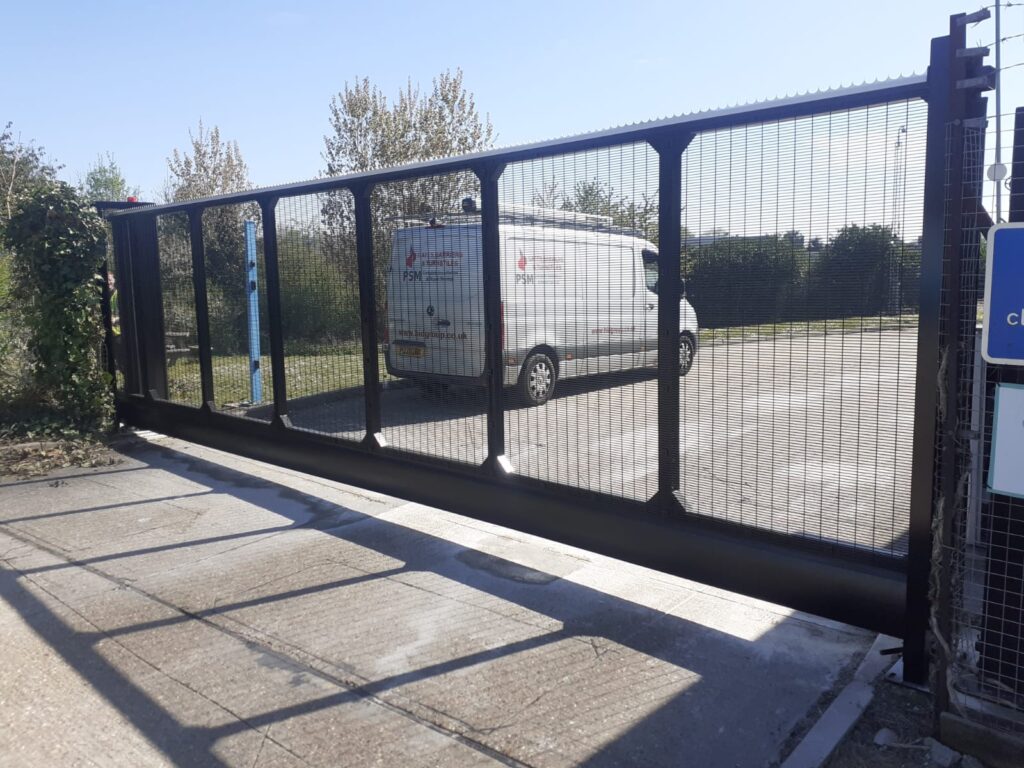
Automated gates are a smart investment for any business looking to enhance both convenience and security. Whether it’s controlling access to your premises or simply speeding up entry for staff and vehicles, these systems offer a reliable and professional solution.
However, like any piece of mechanical or electrical equipment, automated gates are not immune to wear and tear. Daily usage, changing weather conditions, and environmental factors can all take their toll, leading to unexpected breakdowns or performance issues if not regularly maintained.
At BID Group, we specialise in the installation, servicing, and repair of all types of automatic security gates, from sliding and swing models to more complex bi-folding systems. Our experienced engineers are equipped to handle everything from simple faults to full system upgrades.
In this guide, we’re going to be looking at some of the most common faults that businesses encounter with automated gates and how you can fix them.

Understanding Automated Gate Systems
There are three main types of automated gates we commonly work with: sliding gates, swing gates, and bi-folding gates.
Sliding gates operate on a track or cantilever system and are ideal for sites with limited space behind the entrance.
Swing gates use one or two hinged panels that open inwards or outwards, offering a more traditional look but requiring more space to operate.
Bi-folding gates fold in on themselves, making them perfect for high-traffic areas where fast operation is essential.
Each of these gates relies on a different mechanism: motors, hinges, or tracks, which means the type of faults they develop will also differ. Understanding how your gate is designed to work is the first step in spotting when something isn’t right.
Core Components Prone to Faults
Regardless of the gate type, there are several key components that are more likely to develop issues over time.
The gate motor is central to the automation process. If the motor struggles, slows down, or stops altogether, it often points to a deeper problem.
Sensors and photocells are another common culprit. These safety features detect obstructions and prevent accidents, but they can easily become misaligned or blocked by dirt and debris.
Then there are control boards and remotes—the brains behind the system. Malfunctions here can cause erratic behaviour or total failure.
Finally, we often see wear and tear on safety edges and limit switches. These components play a critical role in detecting obstructions and setting open/close limits, so keeping them in working order is key to both safety and functionality.
Common Problems With Automated Gates
Automated gates are built to withstand daily use, but over time, you may run into issues that affect their performance. Below, we’ve outlined some of the most common problems we encounter, along with tips on how to identify the cause and how they can be fixed.
Gate Not Opening or Closing
If your gate won’t open or close at all, the problem usually lies with the motor, power supply, or a basic obstruction in its path. In some cases, it may even be as simple as a dead remote battery.
Start by checking if the unit is receiving power. Look for any tripped breakers or disconnected power sources. If the system has a manual release, try operating it to rule out mechanical faults. Replacing the remote battery or re-pairing the controller can also help in cases where the signal isn’t being received.
If the issue persists after these checks, the motor or internal wiring may be at fault, at which point, it’s best to bring in a professional.
Sliding Gate Stuck or Off Track
When a sliding gate refuses to move or grinds to a halt halfway through operation, the track is usually the first place to look. Dirt, leaves, and debris can block the rollers, while worn-out components or ground movement can cause the gate to come off track.
We recommend clearing the track of any debris and checking for physical damage. If the rollers are worn or stiff, lubricate them with a suitable gate lubricant. For gates that have become misaligned, adjustments may need to be made to the track or roller system to restore smooth operation.
Swing Gate Not Closing Properly
A swing gate that doesn’t close correctly could be suffering from a number of issues, such as hinge wear, a misaligned motor arm, or gate sagging over time.
Start by inspecting the gate brackets and hinges. If they appear worn or bent, replacement may be necessary. In some cases, the motor arm may need re-tensioning or adjusting to realign the gate’s closing position.
Leaving these issues unresolved can cause further stress on the automation system, so it’s worth catching them early.

Faulty Sensors or Safety Edges
Sensors and photocells are designed to stop the gate when an object is detected, but if they become dirty, damaged, or misaligned, they can prevent the gate from functioning altogether.
Inspect the sensor lenses for dirt or obstructions and give them a clean with a soft cloth. Check that both sensors are aligned correctly and that there’s a clear line of sight between them. If the gate still isn’t responding properly, test the signal response using the control panel diagnostics or consult your manual for reset instructions.
Motor Issues or No Response
The gate motor is the workhorse of the system, and when it fails, everything else stops too. Overheating, electrical surges, or burnout are all possible culprits.
If your motor has stopped responding, allow it to cool down and try a reset using the main control unit.
Make sure the fuse hasn’t blown and that there are no visible signs of damage or loose connections. If the motor fails repeatedly or emits a burning smell, it’s likely time for a replacement, something we can assess and supply for you.
Control Panel or Remote Failure
Sometimes automated gate problems aren’t mechanical at all, they’re electronic. A remote that fails to sync, or a control panel that doesn’t respond, can bring your whole access system to a standstill.
Try replacing the remote batteries and following your gate system’s guide to reprogram it. If the panel is completely unresponsive, check the fuse box and power supply.
Software resets may also restore normal function, but if the unit is old or damaged, we recommend having it professionally inspected.
Preventative Maintenance Tips for Automated Gates
Keeping your automated gate in good working order doesn’t just improve daily performance, it also extends the life of your system and reduces the likelihood of costly repairs.
With a few routine checks and a professional service plan in place, you can keep your gate operating smoothly all year round.
Regular Cleaning and Lubrication
We always recommend keeping the tracks, hinges, and moving parts clean and free from debris. Dirt, leaves, and grit can build up quickly, especially on sliding gate tracks, and this can place unnecessary strain on the motor or even cause the gate to jam.
Apply a gate-safe lubricant to the rollers, hinges, and pivot points to keep movement fluid. Just be careful not to overdo it, as too much grease can attract dust and debris. Regular lubrication is a simple but effective way to reduce wear and prevent breakdowns, especially on high-traffic sites.
Visual Inspections
Make it part of your routine to visually inspect your gate system. Look out for signs of rust, worn brackets, loose bolts, or frayed wiring. If your system uses safety edges or photocells, check for alignment and cleanliness to ensure they’re still performing as expected.
For commercial or high-use gates, we recommend carrying out these inspections more frequently. Catching minor issues early can help prevent serious faults from developing and ensure your gate remains safe and secure.
Annual Servicing
Even with regular checks, some issues can only be identified through professional gate servicing. That’s why we always advise scheduling an annual service with our team.
During a service, we’ll test all automation components, update your system software if applicable, and carry out safety compliance checks in line with UK regulations. This ensures your gate meets current safety standards and operates with maximum efficiency.
Annual servicing isn’t just about ticking boxes, it’s about ensuring your investment delivers long-term reliability and security for your business.
When To Call a Professional
While there are some basic maintenance checks you can carry out yourself, certain issues should always be handled by a professional.
If your automated gate experiences persistent electrical faults, complete motor failure, or problems with the control board, it’s time to call in the experts.
These systems involve high-voltage components and complex automation controls, so unqualified repairs can pose a safety risk and may void your warranty.
You should also reach out to a professional if your gate suddenly behaves unpredictably, such as opening or closing on its own, stopping halfway, or showing unresponsive sensors. These are often signs of deeper internal faults that require diagnostic testing and specialist tools.
At BID Group, our trained technicians specialise in the installation, servicing, and repair of all types of automatic security gates, including sliding, swing, and bi-folding systems. We ensure every repair meets UK safety standards and helps extend the life of your equipment.
Automated Gate Problems FAQs
What are the most common automatic gate problems?
The most frequent issues include gates that won’t open or close, motor failures, sensor faults, misaligned tracks, and worn-out hinges or moving parts.
Why is my electric gate not opening?
This could be due to a power supply issue, a faulty remote control, or a blocked safety sensor. A quick check of your fuse box, control panel, or photocells can often identify the issue.
How do I fix a stuck sliding gate?
Start by clearing the track of any debris and checking that the gate is still on its rollers. If everything looks clear, inspect the motor and make sure the gate isn’t misaligned. If problems persist, it’s best to call a professional.
Can I fix my electric gate myself?
You can carry out minor tasks like cleaning, lubricating, or replacing remote batteries. But for anything involving motors, electrics, or control systems, it’s safer and more effective to leave it to qualified gate engineers.
Does BID Group repair automated gate problems?
Yes. We offer full repair services, planned maintenance contracts, and expert installations across the UK. Whether you’re dealing with a small fault or a complete system breakdown, we can help.