Common Industrial Door Issues and How to Fix Them
Common Industrial Door Issues and How to Fix Them
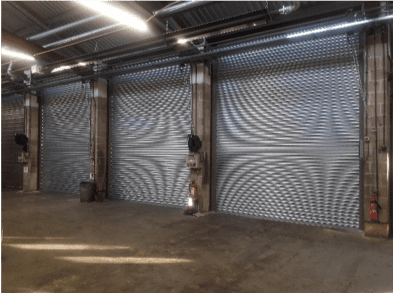
Industrial doors play a vital role in maintaining operational efficiency and ensuring the security of your business premises.
Whether it’s regulating access, maintaining internal temperatures, or facilitating smooth workflows, a well-maintained industrial door is essential for keeping your operations running seamlessly.
However, even the most robust industrial doors can encounter issues over time. Problems such as misalignment, rust, or malfunctioning components can disrupt your daily operations, compromise safety, and lead to costly downtime.
Addressing these issues promptly is key to ensuring your doors perform reliably under the demands of industrial and commercial environments.
At BID Group, we understand the importance of dependable industrial doors and the challenges that come with maintaining them.
With decades of experience in designing, manufacturing, and repairing industrial doors, we’re here to provide tailored solutions that meet your business’s unique needs.
Whether you’re troubleshooting a minor issue or need a complete overhaul, our team is ready to help you keep your operations secure and efficient.
Common Industrial Door Issues
Misaligned or Stuck Doors
One of the most common issues with industrial doors is misalignment or sticking, which can disrupt daily operations and compromise security. Misalignment often occurs due to wear and tear over time, track obstructions, or impact damage.
When the door’s tracks or rollers are out of sync, you might notice difficulty in opening or closing the door, uneven gaps along the edges, or the door scraping against the frame.
Stuck doors can also result from debris in the tracks or improperly lubricated mechanisms. Addressing these issues quickly prevents further damage and ensures the door operates smoothly, maintaining the safety and efficiency of your facility.
Rust and Corrosion
Rust and corrosion are significant concerns for industrial doors, particularly those exposed to high-humidity environments or harsh weather conditions.
Over time, rust can compromise the structural integrity of the door, weakening its ability to provide security and protection.
Components like hinges, tracks, and frames made of steel or other metals are particularly vulnerable.
In addition to reducing the door’s functionality, rust can also negatively impact its appearance, leaving a poor impression on visitors or clients. Regular inspections and the use of rust-resistant coatings can help mitigate these issues.
Lock and Handle Malfunctions
Locks and handles are critical components of industrial doors, ensuring secure access and operation. Over time, these components can experience issues such as jamming, broken keys, or wear and tear that makes them difficult to operate.
For example, locks might fail to engage properly, leaving your premises vulnerable to unauthorised entry.
Handles can also become loose or difficult to remove and replace, especially in older doors. These malfunctions not only compromise security but can also create operational delays, underscoring the importance of regular maintenance.
Motor and Automation Failures
For automated industrial doors, motor and control system failures can bring operations to a standstill. These issues may manifest as slow or erratic door movement, incomplete opening or closing, or a total failure to function.
Causes can range from electrical faults and worn-out motor components to misaligned sensors or control panel malfunctions.
When automation fails, it can disrupt workflow efficiency and leave your premises exposed. Prompt troubleshooting and repair are essential to restoring functionality and preventing prolonged downtime.
Weather Stripping and Seal Damage
Weather stripping and seals are essential for maintaining insulation and preventing energy loss. Over time, these components can wear out due to repeated use, exposure to harsh weather, or improper installation.
Damaged seals can lead to drafts, increased energy costs, and reduced temperature control, particularly in environments requiring strict climate regulation.
Signs of damage include visible wear, drafts around the door edges, or difficulty maintaining consistent internal temperatures. Replacing worn weather stripping is a cost-effective way to improve energy efficiency and maintain a controlled environment.
How to Troubleshoot and Fix Common Industrial Door Issues
Fixing a Misaligned Door
Realigning an industrial door requires careful inspection and adjustment to restore smooth operation:
- Inspect the Tracks and Rollers
Check the tracks for debris, dents, or obstructions that may prevent smooth movement. Clean the tracks with a soft brush and lubricant to ensure a clear pathway. - Check for Wear and Tear
Examine the rollers for signs of damage or misalignment. Replace worn or broken rollers as needed. - Tighten Components
Loose bolts or hinges can cause alignment issues. Tighten these components to ensure the door operates smoothly. - Adjust the Tracks
If the tracks are visibly misaligned, use a rubber mallet or wrench to gently adjust them back into place.
For severe misalignment or if the door doesn’t function properly after adjustments, we recommend contacting a professional for further evaluation.
Addressing Industrial Door Rust
Rust can compromise the strength and appearance of your industrial doors, but it’s manageable with the right steps:
- Remove Existing Rust
Use industrial-grade rust removers or sandpaper to gently scrub away rust from affected areas. Be careful not to damage the underlying material. - Clean the Surface
Wash the area with a mild detergent and water to remove any residue from the cleaning process. Dry thoroughly. - Apply Rust-Proof Coatings
Protect the surface by applying a rust-inhibiting primer or paint designed for industrial use. For doors in high-humidity environments, consider opting for corrosion-resistant materials like galvanised steel or powder-coated finishes.
Regular maintenance and applying protective coatings periodically will help prevent future rust issues.
Replacing a Commercial Door Lock
Faulty locks can compromise security and disrupt operations. Here’s how to replace them:
- Remove the Old Lock
Use a screwdriver to loosen and remove screws from the lock assembly. Slide the lock out of its housing carefully. - Prepare the New Lock
Ensure the replacement lock is compatible with your industrial door. Align the new lock with the existing housing and secure it in place with screws. - Test the Lock
Check the new lock for proper alignment and functionality. Ensure it locks and unlocks smoothly.
For high-security areas, invest in durable locks designed for industrial settings to enhance safety and reliability.
Industrial Door Handle Removal and Replacement
Replacing a door handle is straightforward with the right tools:
- Remove the Old Handle
Locate and unscrew the fasteners holding the handle in place. Gently pull the handle away from the door. - Prepare the New Handle
Align the new handle with the existing holes. Insert screws and tighten them securely. - Test the Handle
Open and close the door to ensure the new handle functions properly and is securely attached.
A correctly installed handle ensures smooth operation and prevents future issues.
Troubleshooting Motor and Automation Issues
Motor and automation failures require careful inspection to identify the root cause:
- Inspect Power Connections
Ensure the motor and control panel are connected to a functioning power source. Check for loose wires or blown fuses. - Check Sensors and Control Panels
Examine sensors for misalignment or debris and clean them if necessary. Verify that the control panel settings are correct. - Test Operation
Use manual controls to determine whether the motor functions properly. If the door operates slowly or inconsistently, the motor may require servicing.
For significant motor or automation issues, contact a professional to avoid further damage and ensure safety.
Repairing Weather Stripping and Seals
Worn seals and weather stripping can lead to drafts and energy loss. Replace them as follows:
- Remove Damaged Seals
Use a utility knife or scraper to carefully remove old weather stripping. Clean the area to remove any adhesive residue. - Install New Weather Stripping
Cut the new weather stripping to the appropriate length and press it firmly into place, ensuring a tight seal. - Inspect for Gaps
Check the newly installed seals for any gaps or misalignment and make adjustments as needed.
Regular inspections and timely replacements will maintain insulation and improve energy efficiency in your facility.
Preventative Maintenance Tips for Industrial Doors
Proactive maintenance is essential for ensuring the longevity, safety, and efficiency of your industrial doors. Regular upkeep can prevent minor issues from escalating into costly repairs or operational downtime.
Regular Inspections for Early Detection
Conducting routine inspections allows you to identify potential problems early, before they disrupt operations. Look for signs of wear and tear, such as rust, misalignment, or unusual noises during operation. Catching these issues promptly can save time and money in the long run.
Best Practices for Door Maintenance
- Lubricate Moving Parts
Apply industrial-grade lubricant to tracks, hinges, rollers, and other moving components. Proper lubrication reduces friction, preventing unnecessary strain on the door mechanism and ensuring smooth operation. - Check Alignment
Inspect the door for uneven gaps or difficulty in opening and closing. Misalignment can lead to additional stress on components and should be corrected promptly. - Clean Tracks and Surrounding Areas
Debris and dirt can accumulate in the tracks, hindering door movement. Clean the tracks regularly with a brush or cloth to maintain smooth operation and reduce the risk of damage. - Test Safety Features
Ensure that safety features like sensors, locks, and emergency stop mechanisms are functioning correctly. Faulty safety features can compromise security and worker safety.
How BID Group’s Maintenance Services Can Help
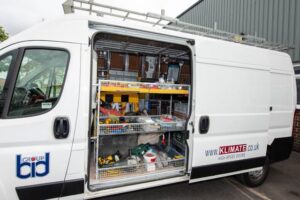
While regular inspections are crucial, professional maintenance ensures that your industrial doors remain in peak condition. At BID Group, we offer comprehensive maintenance services tailored to your specific needs.
Our experienced technicians conduct thorough checks, provide preventative repairs, and ensure that your doors comply with industry standards. By partnering with us, you can extend the lifespan of your doors and maintain uninterrupted operations.
When to Call the Professionals
While routine maintenance can address many minor issues, some repairs require professional expertise to ensure safety and effectiveness. Attempting complex repairs without the necessary knowledge or tools can lead to further damage or safety risks.
Risks of DIY Repairs
- Incomplete Fixes
Without a thorough understanding of industrial door mechanisms, DIY repairs can fail to address the root cause of the problem, leading to recurring issues. - Safety Hazards
Industrial doors involve heavy components and high-tension systems. Improper handling during repairs can pose significant safety risks to untrained personnel. - Voiding Warranties
Attempting unauthorised repairs may void warranties, leaving you unprotected against future issues.
BID Group’s Expertise in Industrial Door Repairs
At BID Group, we specialise in diagnosing and repairing all types of industrial doors, including insulated roller shutters, sectional overhead doors, and bi-folding doors. Our team is equipped with the skills and tools to resolve complex issues quickly and efficiently, minimising downtime for your business.
Don’t let door issues disrupt your operations. Contact BID Group today for reliable, professional repair services tailored to your needs. With our expertise, you can ensure your industrial doors remain safe, efficient, and fully operational.
Industrial Door Troubleshooting FAQs
How do I fix a misaligned industrial door?
To fix a misaligned industrial door:
- Inspect the Tracks: Check for obstructions, dirt, or dents in the tracks. Clean and straighten any irregularities.
- Check the Rollers: Ensure the rollers are securely attached and not worn out. Replace damaged rollers if needed.
- Adjust Hinges: Tighten any loose hinges and align them with the door frame.
- Test the Door: Open and close the door to confirm smooth operation. If alignment issues persist, seek professional assistance.
What causes industrial door rust, and how can I prevent it?
Rust is typically caused by:
- Environmental Factors: High humidity, moisture, and exposure to corrosive substances can accelerate rust formation.
- Material Vulnerability: Steel doors without protective coatings are more prone to rust.
To prevent rust:
- Apply a rust-inhibiting primer or coating to vulnerable surfaces.
- Use corrosion-resistant materials, such as galvanised steel or powder-coated finishes.
- Schedule regular maintenance to identify and address rust before it spreads.
How do I replace a commercial door lock?
Replacing a commercial door lock involves:
- Removing the Old Lock: Unscrew and detach the existing lock assembly.
- Preparing the New Lock: Ensure the replacement lock is compatible with the door.
- Installing the New Lock: Align the new lock with the housing and secure it with screws.
- Testing the Lock: Confirm the new lock operates smoothly and provides proper security.
For complex locking systems or high-security doors, consider professional installation.
What should I do if my automated door motor stops working?
If your automated door motor fails:
- Check Power Connections: Ensure the motor is receiving power and that there are no tripped breakers or blown fuses.
- Inspect the Control Panel: Verify the settings and look for error codes.
- Examine Sensors: Clean or realign sensors that might be obstructed or misaligned.
- Test Operation: Manually test the door’s movement if the motor has a manual override feature.
If the issue persists, it’s best to contact a professional for repairs or motor replacement.
Can BID Group assist with repairing and maintaining industrial doors?
Yes, BID Group offers comprehensive repair and maintenance services for all types of industrial doors. Our team of experts is equipped to handle everything from minor adjustments to major repairs, ensuring your doors operate efficiently and safely.
Learn more about our services by visiting our industrial doors page.