Corrosion Resistance in Industrial Doors: What to Look For
Corrosion Resistance in Industrial Doors: What to Look For
Industrial doors are exposed to some of the toughest working conditions in any facility. From constant vehicle movement, cleaning chemicals and external weather exposure, they must perform reliably day after day despite the conditions.
Over time, these can lead to corrosion, a gradual but damaging process that affects not only the appearance of a door, but also its structural integrity and lifespan.
Understanding what to look for in corrosion‑resistant industrial doors can help ensure long‑term durability, operational efficiency and compliance with industry standards.
Why Corrosion Resistance Matters in Industrial Environments
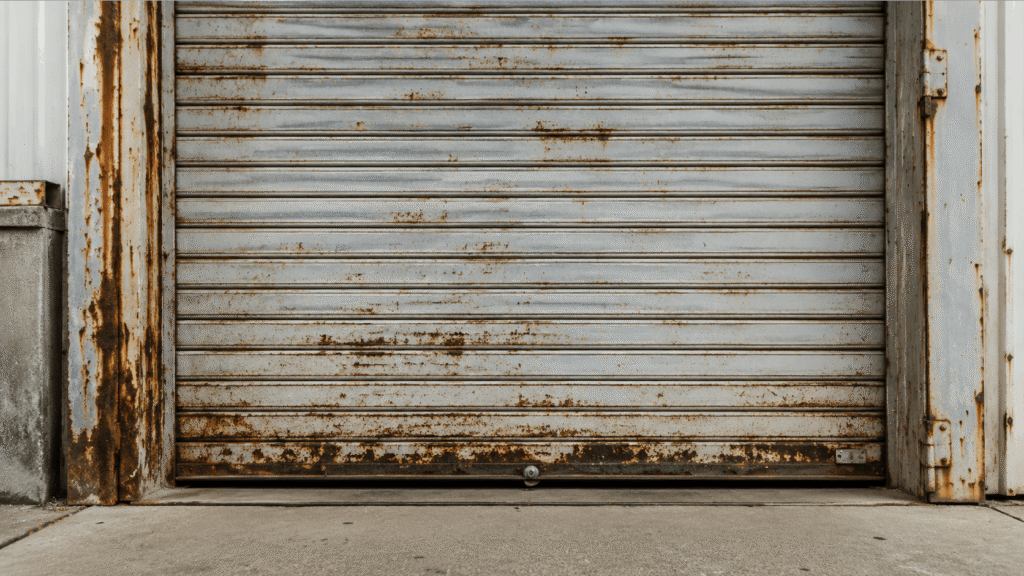
Corrosion is often dismissed as a cosmetic issue, a little surface rust or minor paint damage. In reality, it can have serious operational consequences. In demanding industrial settings, even small signs of corrosion can quickly escalate if left unaddressed.
Structural Integrity
Industrial doors rely on strong frames, secure fixings and aligned components to operate safely and efficiently.
When corrosion begins to affect the frame, it can lead to gradual degradation of the supporting structure. Fixings and anchor points may weaken over time, increasing the risk of movement or misalignment. In high‑traffic areas, this can compromise stability and affect overall door performance.
Left unchecked, structural corrosion may require significant repair work,or even full door replacement.
Hygiene & Compliance
In hygiene‑critical sectors such as food production and pharmaceuticals, corrosion presents additional risks.
Rust particles can contaminate production areas, particularly if flaking occurs around door frames or fixings. Surface degradation can also create rough areas that are harder to clean, increasing the risk of bacterial build‑up.
For facilities subject to regular audits, visible corrosion can raise compliance concerns and result in corrective actions. In these environments, corrosion resistance supports not only durability but also audit readiness.
Maintenance & Downtime Costs
Corrosion rarely stays confined to one area. As it spreads, it can affect multiple components, leading to:
- Increased servicing requirements
- More frequent component replacement
- Unexpected breakdowns
- Premature door failure
Each of these outcomes carries a cost, in labour, replacement parts and operational disruption.
Ultimately, corrosion resistance is not just about appearance. It is a financial consideration that directly impacts lifecycle costs, reliability and long‑term return on investment.
Common Causes of Corrosion in Industrial Doors
Understanding the causes of corrosion can help facilities assess their own level of risk and specify accordingly.
High humidity environments
Moisture in the air accelerates the oxidation process, particularly in enclosed production areas or processing plants.
Regular washdowns
Frequent cleaning with water, especially under pressure, exposes door frames and components to repeated moisture cycles.
Cleaning chemicals
Detergents and sanitisers, particularly those with aggressive formulations, can gradually break down protective coatings.
Coastal or salt‑heavy air
Salt in the atmosphere increases the rate of corrosion, even in facilities that are not directly exposed to seawater.
Condensation in cold storage
Temperature differentials between zones can lead to moisture forming on metal surfaces, creating ideal conditions for corrosion to develop.
Scratched or damaged coatings
Impact from vehicles or general wear and tear can chip protective finishes, exposing bare steel and allowing rust to form beneath the surface.
By identifying which of these factors apply to your facility, you can better determine the level of corrosion resistance required.
Industrial Door Materials: What to Look For
Material choice is one of the most important decisions when specifying an industrial door. Different environments demand different levels of protection.
Powder‑Coated Mild Steel
Powder‑coated mild steel is a cost‑effective option for many general industrial applications. It performs well in dry, low‑humidity environments where exposure to water and chemicals is limited.
However, its corrosion resistance depends entirely on the integrity of the coating. If the finish becomes scratched, chipped or worn, the exposed steel beneath is vulnerable to rust. In aggressive environments, this can lead to rapid deterioration.
Galvanised Steel
Galvanised steel is coated with a protective zinc layer that provides a moderate level of corrosion resistance. It offers improved durability compared to untreated steel and can be suitable for certain semi‑exposed applications.
That said, galvanised finishes may not withstand intensive washdown regimes or repeated exposure to harsh cleaning chemicals. Over time, the protective layer can degrade, particularly at cut edges or joints.
Stainless Steel
Stainless steel offers inherent corrosion resistance due to its chromium content, which forms a protective passive layer on the surface. Unlike coated materials, this protection is built into the metal itself.
It is also non‑porous and easy to clean, making it particularly suitable for washdown areas, high‑moisture environments and hygiene‑critical sectors.
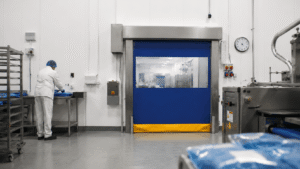
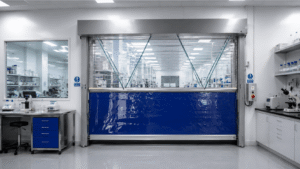
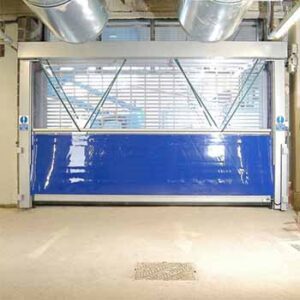
For facilities operating in demanding conditions, stainless steel high speed doors provide a practical solution that combines durability with hygienic performance, especially where frequent cleaning or high humidity would challenge standard finishes.
 The Importance of Finish & Coating Quality
Even when a coated material is specified, the quality of the finish plays a critical role in long‑term performance.
Coating thickness and application consistency can influence how well a door resists moisture and chemical exposure. Edge protection is particularly important, as corrosion often begins at cut surfaces or corners.
Fixings and fasteners are another common weak point. If these components are not corrosion‑resistant, they can deteriorate even when the main frame remains intact.
Internal components are also frequently overlooked. Corrosion within guide rails, brackets or motor housings can affect reliability before visible signs appear externally.
In many cases, corrosion begins at joints and connection points, areas where moisture can collect and protective coatings may be thinner. Careful specification and attention to detail at every level help ensure true corrosion resistance, rather than surface‑level protection.
Environmental Factors You Should Assess Before Specifying
Before specifying an industrial door, consider the following:
Is the door internal or external?
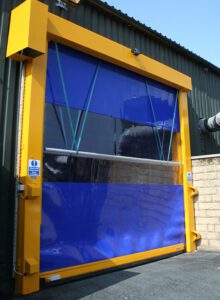
External doors face direct exposure to rain, wind and airborne contaminants. Internal doors may still be at risk if located in high‑humidity or washdown zones.
What is the humidity level?
Persistent moisture in the air accelerates corrosion, particularly in enclosed production or processing environments.
How frequent are washdowns?
Daily or multiple daily cleaning cycles significantly increase exposure to water and detergents.
Are chemicals used?
Some cleaning agents are more aggressive than others. Understanding their composition helps determine whether coated steel will perform long term.
Is the facility near the coast?
Salt‑laden air can corrode metal even without visible moisture. Coastal facilities typically require enhanced corrosion protection.
What is the temperature differential?
Large differences between adjacent areas, such as ambient to chilled,can create condensation on metal surfaces..
Corrosion Resistance in Cold Storage & Freezer Applications
Cold storage and freezer environments present a unique corrosion challenge.
Frequent opening cycles between temperature zones create ongoing condensation cycles. Warm air entering a chilled or frozen space deposits moisture onto metal surfaces, particularly around frames and fixings.
Moisture combined with repeated temperature fluctuations accelerates material stress. In freezer applications, defrost cycles can further expose components to water before temperatures drop again, increasing the likelihood of corrosion over time.
Because of these conditions, material choice becomes especially important. Corrosion‑resistant builds, including stainless steel components or enhanced protective finishes, help maintain structural integrity and sealing performance in low‑temperature environments.
For freezer‑rated doors, ensuring the frame, fixings and key components are suited to moisture exposure is just as important as thermal performance.
Don’t Forget Installation & Maintenance
Even the most corrosion‑resistant material can underperform if installation and maintenance are overlooked.
Correct installation helps prevent water traps where moisture can collect at the base of frames or around fixings. Accurate alignment and secure sealing reduce opportunities for water ingress and condensation build‑up within the structure.
Preventative maintenance also plays a critical role in extending lifespan. Regular inspections allow early identification of coating damage, seal wear or minor corrosion before it spreads.
BID Group provides nationwide installation and service support, ensuring industrial doors are fitted correctly and maintained to withstand their operating environment. The right material is important, but long‑term performance depends equally on professional installation and ongoing care.
Signs Your Industrial Door May Be Suffering from Corrosion
Early detection can prevent more significant structural or operational issues. Look out for:
- Rust forming at the base of the frame
- Bubbling, blistering or flaking paint
- Discolouration around fixings or joints
- Stiff or inconsistent door operation
- Increasing maintenance or repair frequency
If these signs are present, it may indicate that the current specification does not provide sufficient corrosion resistance for the environment. Reviewing material choice and protective finishes can help prevent further deterioration and protect long‑term performance.
Protect Your Investment with the Right Industrial Door Solution
Corrosion can significantly reduce the lifespan and reliability of an industrial door, but with the right specification, it is entirely manageable.
At BID Group, we help businesses across the UK select and install industrial door solutions designed to withstand their specific operating environments.
Whether you require enhanced corrosion resistance for washdown areas, stainless steel construction for hygiene‑critical facilities, or robust external doors for exposed locations, our team will guide you to the right solution.
With nationwide installation, experienced engineers and ongoing maintenance support, we don’t just supply doors, we deliver long‑term performance.
Contact BID Group today to discuss the best corrosion‑resistant industrial door solution for your facility.