Designing Loading Docks for Cold Storage: Best Practices
Designing Loading Docks for Cold Storage: Best Practices
Cold storage plays a critical role in the preservation of perishable goods. In warehouse operations, particularly industries like food, pharmaceuticals, and chemicals, having an effective and efficient cold storage system is crucial.
The ability to store and manage temperature-sensitive products can impact everything from product quality to operational efficiency.
One of the most vital elements in a warehouse is the loading dock. The design of these docks can directly influence both safety and efficiency in operations.
An optimal loading dock design ensures that goods are loaded and unloaded with minimal temperature fluctuation. This helps to maintain the integrity of stored products.
At BID Group, we offer tailored loading dock equipment solutions that are specifically designed for cold storage facilities. With over 30 years of experience, we provide robust, high-performance equipment to meet the unique demands of temperature-controlled environments.
What Is Cold Storage and Why Is It Important?
Cold storage refers to any facility designed to store temperature-sensitive goods at specific temperatures. This could be either chilled or frozen, to preserve their quality and extend shelf life.
These facilities use refrigeration systems to maintain precise temperature control, ensuring that goods remain safe and suitable for consumption or use.
Cold storage facilities are integral to various industries, most notably:
- Food and beverages, where temperature control is essential to prevent spoilage and maintain freshness.
- Pharmaceuticals, where medications, vaccines, and other healthcare products must be stored within strict temperature ranges to remain effective.
- Chemicals and other industrial goods, where temperature management ensures both safety and product quality.
The design of cold storage warehouses focuses on maintaining an ideal climate for products while ensuring operational efficiency. This includes considerations like insulation, sealing, and efficient airflow to prevent energy loss and maintain the desired temperature.
The Role of Cold Storage in the Supply Chain
Cold storage plays a pivotal role in the supply chain by ensuring that temperature-sensitive products reach their destination in optimal condition. The primary function is to preserve the quality, safety, and shelf life of goods.
This is particularly vital in industries like food production and pharmaceuticals, where even minor temperature fluctuations can have a significant impact on product integrity.
In addition to preservation, cold storage facilities also impact the overall efficiency of supply chain operations.
By maintaining strict temperature control, cold storage reduces the risk of spoilage, waste, or damage to goods, which helps reduce operational costs. For businesses, efficient cold storage translates to fewer returns, less waste, and the ability to scale operations to meet demand.
Temperature control within these facilities directly impacts the speed and accuracy of inventory management and order fulfillment. This makes the design of loading docks within cold storage warehouses crucial for both the operational efficiency and the safety of stored goods.
A well-designed loading dock can streamline the process of loading and unloading products, while preventing temperature variations that could affect sensitive products.
Key Considerations for Cold Storage Warehouse Loading Dock Design
When designing loading docks for warehouses, there are several key elements that need to be carefully considered to ensure efficiency, safety, and temperature control.
The loading bay design principles must cater to both the specific needs of cold storage and the overall operational flow of the facility.
The most critical considerations include:
Insulation and Sealing
Since cold storage facilities are temperature-sensitive, insulation is essential to prevent heat from entering the storage area when goods are being moved in or out. Well-sealed doors and loading bays reduce the energy required to maintain a consistent internal temperature.
Energy Efficiency
By using the right materials and design features, cold storage warehouses can reduce energy consumption, keeping operating costs down. This includes insulated dock seals, high-speed doors, and properly fitted dock levellers that prevent air exchange.
Air Exchange Minimisation
During the loading and unloading process, cold storage warehouses face the challenge of minimising air exchange between the inside and outside of the facility.
This is critical to maintaining the internal temperature, especially when there are fluctuations due to door openings. Effective sealing, quick-acting doors, and strategic dock leveller placement help reduce this exchange.
Ensuring these factors are incorporated into the design will help improve the functionality of the loading dock while preserving the integrity of the cold storage environment.
Cold Storage Loading Dock Design Standards
Designing a cold storage loading dock requires compliance with a set of standards and regulations to ensure that the facility operates safely and efficiently. These standards typically focus on temperature control, safety features, and the operational capacity of the loading docks.
In the UK, facility designs must comply with specific standards, including:
Temperature Regulation
Cold storage warehouses must maintain the required temperatures to meet product safety and quality standards, especially in industries like food and pharmaceuticals.
There are specific guidelines for designing loading docks to avoid excessive temperature fluctuations, ensuring that goods remain within optimal temperature ranges.
Equipment Requirements
Loading dock equipment such as dock levellers, high-speed doors, dock seals, and shelters must be designed to withstand the challenges posed by cold environments. They should be built to prevent temperature loss and be easy to operate in freezing or chilled conditions.
Safety Features
The safety of workers is paramount. Cold storage loading dock design should include features such as dock buffers, wheel guides, and non-slip flooring to prevent accidents and injuries.
Compliance with these regulations not only ensures the safe operation of the facility but also helps avoid costly fines or product loss due to non-compliance.
It’s essential for cold storage designers to stay up to date with local regulations, particularly those outlined by the Health and Safety Executive (HSE) in the UK.
Optimising Space Efficiency in Loading Docks
Space is often limited in cold storage facilities. Maximising the use of available space can make a significant difference in operational efficiency.
The key to designing space-efficient loading docks lies in integrating features that minimise wasted space and maximise throughput.
Some best practices include:
Maximising Vertical Space
Cold storage warehouses often have limited floor space, so designing docks that optimise vertical storage, like high-lift dock levellers, allows for greater use of vertical space.
Dock Levellers
The use of dock levellers is essential for accommodating different types of vehicles that may come in and out of the facility. This ensures that loading and unloading operations are seamless and efficient.
With features like telescopic lips and floating functionality, BID Group’s dock levellers can automatically adjust to the height of various vehicles. This helps to reduce delays and increases throughput.
 Essential Features for Cold Storage Loading Docks
When designing loading docks specifically for cold storage, incorporating the right features is essential to ensure that temperature control is maintained and that goods are protected throughout the loading and unloading process.
Two features to consider are dock seals and dock shelters, which both help to maintain temperature integrity:
Dock Seals
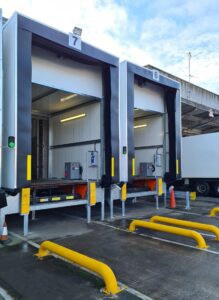
Dock seals designed to create a tight seal around the vehicle to block out external weather conditions and prevent energy loss.
In a freezer environment, weather-resistant seals are essential for minimising heat exchange between the internal area and the external environment. They help to keep energy costs low and temperatures stable.
Dock Shelters
While dock seals are designed for sealing, dock shelters provide more flexibility, especially for larger vehicles. They offer protection from the elements and help improve the overall efficiency of loading and unloading.
BID Group’s dock levellers, high-speed doors, and weather-resistant seals are specifically engineered for cold storage warehouses, allowing for quicker and more efficient loading and unloading with minimal temperature fluctuation.
These features are integral to ensuring that facilities operate smoothly, safely, and cost-effectively.
 Ensuring Safety in Loading Docks
Safety is a critical factor in the design of loading docks, especially in cold storage facilities where conditions can be slippery, and the environment can be hazardous due to extreme temperatures.
Key safety features to incorporate in loading dock design include:
Dock Buffers
These absorb the impact of vehicles during docking, preventing damage to both the vehicle and the facility structure.
Wheel Guides
These high-visibility, floor-mounted wheel guides ensure that vehicles are aligned correctly with the dock levellers, minimising the risk of accidents.
Industrial Doors
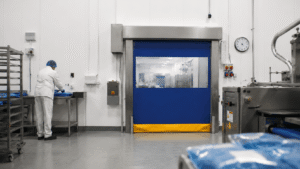
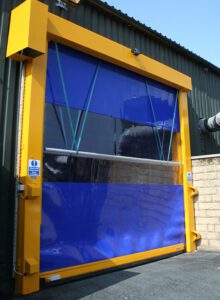
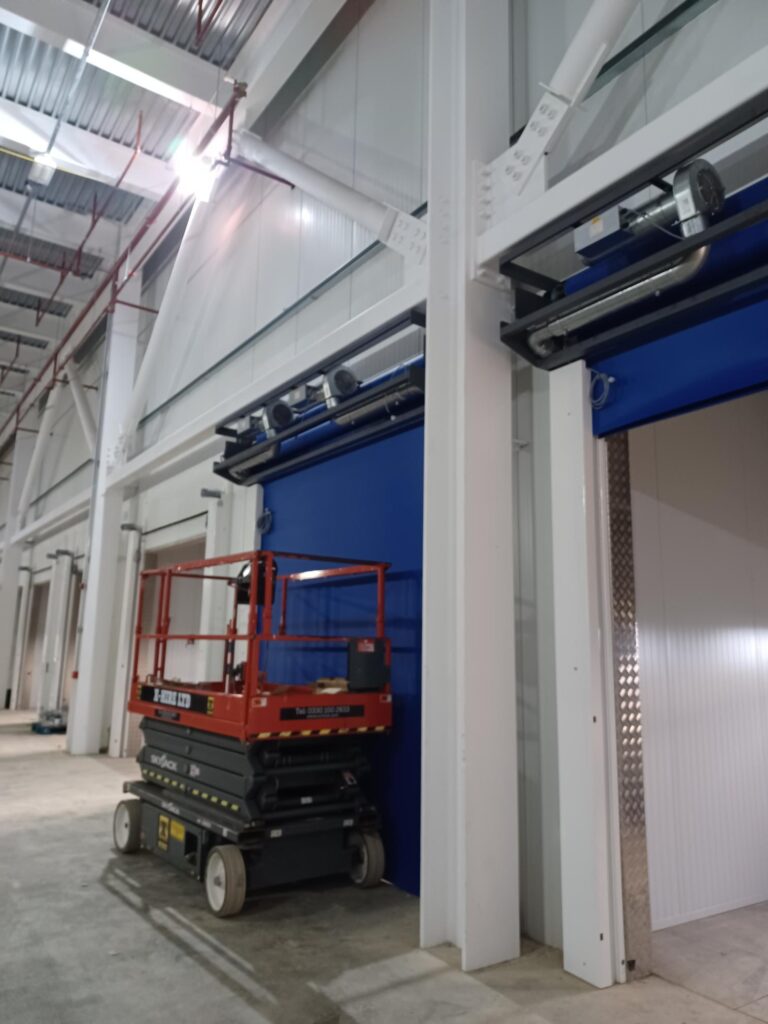
Cold storage warehouses require industrial doors that are quick to open and close, minimising exposure to external conditions. High-speed doors help maintain temperature control, reducing energy loss and improving safety during vehicle transitions.
BID Group ensures that safety is integrated into every aspect of our loading bay solutions, providing both functional and safety-focused features to protect workers, goods, and equipment.
Industrial Doors for Cold Storage
The industrial doors you choose for your cold storage loading docks are integral to maintaining temperature regulation, security, and efficiency.
These doors are designed to withstand the extreme conditions found in cold storage warehouses and must be both durable and high-performing to prevent heat exchange and air infiltration.
Types of industrial doors suitable for cold storage include:
Insulated Doors
These doors are designed to prevent the transfer of heat between the inside and outside of a cold storage area. Insulated doors are typically constructed with high-quality materials like polyurethane or polystyrene, ensuring excellent thermal resistance.
High-Speed Doors
High-speed doors are essential for environments where temperature control is crucial. These doors open and close quickly, reducing the amount of time the internal environment is exposed to external conditions, which helps to minimise energy loss.
Weather-Resistant Doors
Cold storage facilities often face external weather challenges such as high winds or rain, which can compromise temperature stability. Weather-resistant doors help ensure that these external elements don’t affect the integrity of the internal environment.
At BID Group, we offer industrial doors for cold storage that are specifically engineered to maintain temperature regulation. Our doors are designed with energy efficiency in mind, offering quick operation without sacrificing durability or reliability.
Maximising Energy Efficiency in Cold Storage Loading Docks
In a cold storage facility, maintaining a constant internal temperature is critical, both for product integrity and for energy efficiency.
Since cold storage warehouses often need to keep temperatures well below freezing, the amount of energy required to maintain these conditions can be significant.
By focusing on energy-efficient design and specialised equipment, cold storage loading docks can significantly reduce energy consumption, lowering operating costs and improving sustainability.
The Importance of Insulation and Sealing in Cold Storage Loading Docks
Insulation and sealing are essential components in the design of cold storage loading docks.
Insulated doors and seals help prevent energy loss and maintain the required internal temperature by creating an effective barrier between the internal environment and external weather conditions.
Insulated Doors
Properly insulated doors reduce the amount of cold air that escapes when doors are opened to maintain the facility’s temperature.
BID Group’s high-performance insulated doors ensure that heat exchange is minimised, contributing to better energy efficiency and consistent temperatures.
Dock Seals
Seals around loading docks help to prevent air infiltration and loss of temperature. Our weather-resistant dock seals provide a tight fit around vehicles, blocking out external weather conditions and minimising temperature fluctuation.
These features reduce energy costs by preventing cold air from escaping and warmer external air from entering. This allows facilities to operate more efficiently and reduce their carbon footprint.
To learn more about maximising efficiency in your loading bays, read our article on Maximising Efficiency in Loading Bay Docking.
Tailored Solutions for Loading Docks
Every facility has specific challenges, from fluctuating external temperatures to the need for rapid, energy-efficient loading and unloading. Custom loading bay designs are essential for addressing these unique demands and ensuring a smooth workflow.
At BID Group, we specialise in tailoring loading bay solutions:
Our expertise includes designing and installing equipment that fits the requirements of each warehouse, ensuring seamless integration with your infrastructure. Our tailored solutions include:
- Dock Levellers: Custom-sized to accommodate varying vehicle heights and weights, ensuring smooth transitions during loading and unloading.
- Vehicle Restraints: These systems are designed to keep delivery vehicles safely in position while ensuring that the loading process remains secure and efficient.
Seals and Shelters: Bid Group’s high-quality dock seals and dock shelters ensure that your loading bays remain sealed, preventing temperature fluctuations and minimising energy loss.