Overhead Door Safety Tips for Industrial Facilities
Overhead Door Safety Tips for Industrial Facilities

Overhead doors are an integral part of many industrial and commercial facilities, providing both functionality and safety. Whether you’re managing a warehouse, fire station, or distribution center, these doors offer seamless access for vehicles, equipment, and personnel, while also ensuring security, energy efficiency, and environmental control.
When it comes to overhead door safety, proper maintenance and awareness are key to ensuring these doors continue to function safely and efficiently. A malfunctioning door can lead to costly downtime, accidents, or even injuries.
At BID Group, we specialise in providing high-quality, commercial overhead doors that are not only reliable and secure but also designed with safety in mind. Our sectional overhead doors combine robust construction, innovative features, and minimal maintenance requirements, helping you keep operations running smoothly while prioritising safety.
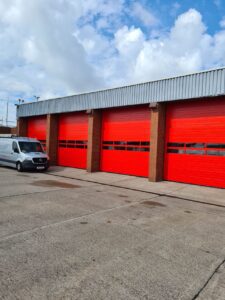
What Are Overhead Doors and Why Are They Important?
An overhead door is a door that opens vertically, typically by rolling up into a compact section above the door opening. These doors are used in industrial and commercial settings where they provide access for vehicles, machinery, or personnel.
There are several types of overhead doors, but sectional overhead doors are among the most common. These doors consist of multiple panels connected by hinges, which allow them to open smoothly and efficiently.
Overhead doors are essential in providing high accessibility and security. They offer a space-saving solution for facilities that need to maximise floor space and reduce the risk of damage to equipment.
Whether operated manually or automatically, these doors are designed for heavy-duty use, making them ideal for environments that demand high reliability and safety.
Overhead door safety is critical to ensuring the doors function properly. Overhead doors must meet specific safety standards, including features like emergency stop mechanisms, sensor systems, and manual override options.
These overhead door safety features reduce the risk of accidents or damage, providing a safe environment for employees and visitors alike.
Common Uses for Overhead Doors in Industrial Settings
Overhead doors are used across a variety of industries where heavy traffic and high security are key concerns. Below are just a few examples of where these doors are commonly used and the benefits they offer:
Overhead Doors for Warehouses
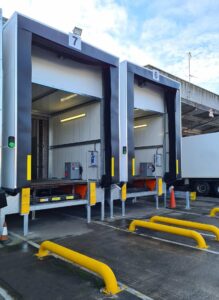
Overhead doors are commonly found in warehouses, where quick access for vehicles is essential for efficient operations. The ability to open and close doors rapidly helps keep inventory moving and minimises wait times for trucks.
Additionally, the insulated panels of sectional overhead doors help regulate temperature, reducing heating and cooling costs.
Overhead Doors for Fire Stations
In emergency services, speed is everything. Overhead doors allow fire trucks and emergency vehicles to exit quickly, ensuring a fast response time in critical situations.
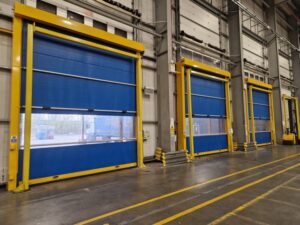
BID Group’s high-speed sectional overhead doors are ideal for such settings, offering quick and reliable operation.
Overhead Doors for Distribution Centres
These facilities rely on a constant flow of goods. Overhead doors offer a convenient, efficient way to move products in and out of the building while maintaining a secure environment.
The durability of galvanised steel components ensures that these doors can withstand the rigours of heavy use, reducing maintenance needs and downtime.
Overhead Doors for Showrooms
Overhead doors can also be used in commercial showrooms, providing an attractive yet secure way to allow easy access while maintaining the aesthetics of the building.
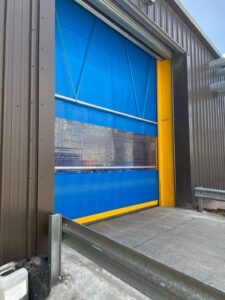
The ability to incorporate custom finishes and vision panels adds to the versatility of sectional overhead doors, making them perfect for showcasing products.
Each of these facilities benefits from the space-efficient design of overhead doors, as they open vertically and do not require additional space for swings or clearance.
The combination of security features, speed of operation, and energy efficiency makes overhead doors a vital component in modern industrial and commercial buildings.
Commercial Overhead Door Safety Standards
When installing or maintaining commercial overhead doors, it’s important to adhere to legal and safety requirements to ensure both compliance and safety.
In the UK, commercial overhead doors are subject to specific regulations, particularly under the Health and Safety Executive (HSE) guidelines.
These regulations outline key safety requirements, including proper installation, regular maintenance, and safety features that must be incorporated into the doors.
For example, commercial overhead doors must be equipped with safety mechanisms such as sensors to prevent accidental closure, emergency stop features, and manual overrides in case of power failure.
Additionally, doors must be installed and maintained in accordance with the relevant standards, ensuring they are safe for workers, vehicles, and equipment.
By complying with these safety standards, businesses can reduce the risk of accidents, protect their employees, and avoid potential fines or legal issues.
Essential Safety Features for Overhead Doors
To maintain a safe working environment, overhead doors should be equipped with essential safety features that help prevent accidents and injuries. Some of the most important safety features include:
Commercial Overhead Door Sensors
Modern overhead doors often come with safety sensors that detect obstructions in the door’s path. These sensors automatically stop or reverse the door’s motion if something is detected, preventing injuries or damage to equipment.
This is especially important in high-traffic areas where forklifts or vehicles frequently move in and out.
Commercial Overhead Door Emergency Stop Features
An emergency stop button or pull cord should be accessible and easy to use in case of a malfunction. This allows personnel to immediately halt the door’s operation if a problem arises, preventing potential accidents or further damage.
Manual Overrides for Commercial Overhead Doors
In the event of a power failure or system malfunction, manual overrides enable doors to be opened or closed by hand. This feature ensures that operations can continue smoothly and safely, even in emergencies.
Weather-Resistant and Soundproof Overhead Door Features
Weather-resistant doors, such as sectional overhead doors with sealed edges, not only help keep out the elements but also prevent water ingress, dust, and drafts.
This improves the safety of the internal environment, especially in areas where temperature regulation is important. Furthermore, the soundproofing qualities of these doors can help reduce noise pollution, improving the safety and comfort of employees working in noisy environments, such as manufacturing plants.
Overhead Door High-Speed Operation:
High-speed overhead doors minimise the time the door is open, reducing the risk of accidents or security breaches. Fast-opening doors are especially beneficial in environments like warehouses or distribution centers, where speed is crucial for maintaining operational efficiency.
Overhead Door Safety Tips for Industrial Facilities
Regular Inspections and Maintenance
Routine inspections and maintenance are essential for keeping overhead doors in optimal working condition. Regular checks on door components such as springs, cables, and tracks help ensure that everything is functioning smoothly.
A small issue, like a loose spring or misaligned track, can lead to door malfunctions, resulting in downtime or safety hazards.
By conducting regular maintenance, you can catch issues early, extend the life of the doors, and reduce the risk of accidents.
BID Group’s sectional overhead doors are designed with durability in mind, which means that, with proper maintenance, they require minimal repairs over time. However, keeping a maintenance schedule is still important to address wear and tear and keep the door operating as intended.
At BID Group, we offer maintenance services tailored to ensure your overhead doors remain safe, secure, and fully operational.
Safe Operation of Overhead Doors
Proper operation of commercial overhead doors is critical for maintaining safety. Employees should be trained on the correct procedures for operating doors, especially if they are electric or automated. Key operational best practices include:
- Always ensure the door’s path is clear before opening or closing. This prevents accidents caused by obstructions that could get caught in the door’s movement.
- Avoid forcing the door open or closed. If there’s resistance, it may be an indication that there’s an issue with the door’s mechanisms that needs to be addressed before further operation.
- In high-traffic areas, use safety markings and clear signage to indicate when the door is in operation and when employees should avoid the area. This can prevent accidents, particularly in busy warehouses or docks.
- Encourage employees to wait for the door to fully open or close before proceeding. Rushing through an opening or closing door increases the risk of accidents.
Keeping the door operational with no obstructions and following these practices ensures smoother and safer operations within the facility.
Using Proper Overhead Door Safety Equipment
When working near overhead doors, safety should always come first. Employees should be equipped with proper personal protective equipment (PPE), including gloves, hard hats, and safety shoes.
This is especially important in environments where the door mechanisms are being serviced or when workers are near moving parts.
In addition to PPE, it’s essential to have visual cues like safety signage to highlight hazardous areas and alert workers to potential dangers.
For instance, clearly marking the operating area with warning signs and visual markers can prevent accidents by reminding employees to stay clear of moving doors.
By combining PPE and visual safety cues, businesses can create a safer environment for their employees and help reduce the risk of accidents around commercial overhead doors.
Ensuring Security and Access Control with Overhead Doors
Combining Security with Accessibility
One of the key advantages of sectional overhead doors is their ability to balance security with easy access. These doors are engineered to provide a high level of security without sacrificing functionality.
For commercial and industrial facilities, it’s crucial to have doors that not only keep unauthorised individuals out but also allow authorised personnel and vehicles to enter with ease.
BID Group’s sectional overhead doors are designed with galvanised steel components, which offer strength and durability against potential break-ins.
In addition, these doors come equipped with advanced locking mechanisms that ensure security while also offering the convenience of easy access for employees or vehicles.
Whether you require manual or electric operation, these security features are integrated into the design, helping to safeguard your facility while ensuring smooth operations.
With the combination of robust construction and customisable access solutions, these doors deliver the best of both worlds — security and functionality — all in one.
High-Speed Operation and Safety
In high-traffic areas such as warehouses, distribution centers, and shipping docks, high-speed operation of overhead doors plays a crucial role in enhancing safety and operational efficiency.
The faster a door operates, the less time it spends open, minimising the chances of accidents or security breaches.
BID Group’s high-speed sectional overhead doors are specifically designed for environments where quick, efficient access is critical. The rapid opening and closing of these doors help reduce the risk of accidents involving pedestrians, forklifts, and other vehicles.
With a shorter wait time between door operations, you can maintain a smoother workflow, which is particularly important in fast-paced environments.
In addition to safety, high-speed doors contribute to energy efficiency by reducing the exposure of the facility’s interior to external weather conditions, which helps regulate temperature and reduce heating or cooling costs.
Impact of Insulation and Weather Resistance on Safety
Insulated sectional overhead doors play an important role not just in maintaining temperature control but also in ensuring safety during extreme weather conditions.
These doors are equipped with insulated steel panels that provide a barrier against heat loss or gain, which is essential for temperature-sensitive environments like food storage or pharmaceuticals.
The insulation helps regulate internal temperatures, reducing the strain on heating and cooling systems, and keeping working conditions more comfortable for employees.
This is particularly important in facilities where consistent temperatures are required, such as cold storage units or distribution centers handling sensitive goods.
In addition to temperature control, the sealed edges of BID Group’s sectional doors provide a significant safety benefit by preventing water ingress, dust, and drafts from entering the building.
This is particularly valuable during adverse weather conditions, where external elements could disrupt operations or create unsafe working conditions. By keeping the interior environment protected, you can maintain a safer and more comfortable space for workers and equipment.
Emergency Preparedness: Overhead Door Safety
Handling Door Failures and Malfunctions
While overhead doors are designed to be reliable and durable, occasional malfunctions may still occur. It’s important to have protocols in place to address any issues quickly and safely.
In the event of a door malfunction, the first step is to use any manual override mechanisms to safely open or close the door.
Many modern sectional overhead doors are equipped with manual overrides that allow for quick intervention during power failures or mechanical issues. Additionally, emergency stop features should be readily accessible to halt the door’s operation if necessary.
Having an emergency response plan in place is essential for maintaining the safety of your facility. This plan should include steps for identifying and responding to door malfunctions, such as isolating the malfunctioning door, notifying the maintenance team, and determining whether the door can be repaired on-site or needs to be replaced.
Regular training for employees on how to handle door failures, including how to operate manual overrides and activate emergency stops, is critical for ensuring that everyone knows what to do in the event of a malfunction.
BID Group’s Maintenance and Repair Services
At BID Group, we understand that the efficiency and safety of your operations depend on the reliable performance of your overhead doors.
That’s why we offer comprehensive maintenance and repair services to ensure that your doors continue to operate safely and efficiently throughout their lifespan.
Our team of experts is always available to respond to emergency repair needs, minimising downtime and reducing any potential disruptions to your business. We provide fast, responsive service to ensure your overhead doors are always working at their best.
Regular maintenance inspections are also part of our service offering, helping you catch any potential issues before they escalate into costly repairs or safety hazards.
Fast response times and proactive maintenance are key to keeping your overhead doors safe, secure, and fully operational. At BID Group, we are committed to providing timely, high-quality services that prioritise the safety and efficiency of your facility.