Roller Shutter Door Types Explained: Which One Is Right for Your Building?
Roller Shutter Door Types Explained: Which One Is Right for Your Building?

If you’re considering a new roller shutter door for your premises, it’s important to understand the different types available and what each one is designed to do.
From general security and day‑to‑day access to temperature control and fire protection, the right choice depends on how your building operates and what it needs to protect.
In this guide, we break down the main types of roller shutter doors used in industrial and commercial settings, so you can make an informed decision for your site.
At-a-Glance Comparison
| Feature | Roller Shutter Door | Insulated Roller Shutter | Fire Roller Shutter |
| Primary Purpose | Security & access | Temperature control & noise reduction | Fire containment & compartmentation |
| Insulation | No | Yes – insulated slats | No (fire-rated construction) |
| Fire Rating | No | No | Up to 4 hours |
| Typical Locations | Warehouses, retail units, storage | Heated warehouses, food production, pharmacies | Distribution centres, factories, high‑risk zones |
| Alarm Integration | Optional | Optional | Required for automatic closure |
| Manual or Electric Operation | Yes | Yes | Yes |
Each type serves a distinct purpose. The right choice depends on what the opening needs to achieve within the wider operation of your building.
Standard Roller Shutter Doors: Security & General Access

For many industrial and commercial buildings, the primary requirement is straightforward: secure the opening and allow reliable day‑to‑day access.
Standard roller shutter doors are typically used on warehouses, factories, service yards and retail units where security and durability are the main priorities. Constructed from interlocking steel slats, they provide a strong physical barrier while remaining compact when open.
They’re well suited to:
- External loading bays
- Storage units
- Industrial units
- Shopfronts
- Car parks
Operation can be manual or electric, depending on opening size and traffic levels. On higher‑use sites, electric operation improves efficiency and reduces strain on staff. Features such as wicket doors or perforated lath can also be incorporated where pedestrian access or visibility is required.
If temperature control or fire compartmentation isn’t a factor, a standard roller shutter is often the most practical and cost‑effective solution.
Insulated Roller Shutter Doors: Temperature Control & Energy Efficiency
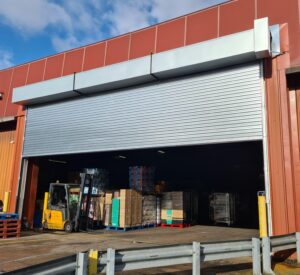
In facilities where internal temperature matters, an insulated roller shutter door is often the better option.
Unlike standard shutters, insulated models use double‑skinned slats filled with insulating material. This helps reduce heat loss, limit draughts and create a more stable internal environment.
They’re commonly used in:
- Heated warehouses
- Food production facilities
- Pharmaceutical sites
- Cold storage units
- Manufacturing plants with climate‑sensitive processes
Insulated shutters can also help reduce noise transfer, which is useful in busy industrial settings or sites located near residential areas.
If your building is heated or cooled, insulation can make a noticeable difference to energy performance over time. In unheated spaces, however, a standard shutter is often sufficient.
Fire Roller Shutter Doors: Fire Protection & Compartmentation
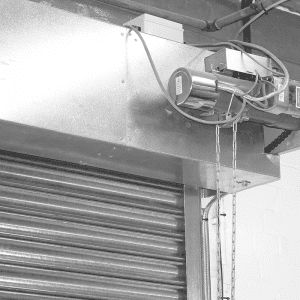
Fire roller shutter doors are installed where a building’s fire strategy requires compartmentation between areas.
They are designed to close automatically when triggered by the fire alarm system, helping to contain the spread of fire and protect escape routes, assets and structural integrity. Depending on the specification, they can provide up to four hours of fire resistance.
Typical locations include:
- Between warehouse and office areas
- Around production zones
- In large distribution centres
- Across service corridors or high‑risk rooms
Because they form part of the building’s life safety system, correct specification and installation are essential. Fire shutters must align with the required fire rating and integrate properly with the alarm system to perform as intended in an emergency.
If fire separation is a regulatory requirement within your premises, a standard or insulated shutter alone will not be sufficient, a certified fire‑rated solution is needed.
Internal vs External Installations
Where the shutter is being installed will also influence the right specification.
External Openings
For external doors, security and weather exposure are usually the primary concerns. The shutter will need to withstand the various British elements, wind loading and daily operational use.
If the building is temperature controlled, an insulated shutter will help to reduce heat/cold loss through large openings such as loading bays. In higher‑risk locations, additional locking or reinforced components may also be considered.
Internal Openings
Internally, the focus is often different. A shutter may be used to separate operational areas, restrict access or form part of a fire compartment wall.
In these cases, insulation may only be necessary if temperature control between zones is important. If the opening forms part of the fire strategy, a certified fire roller shutter will be required.
Operational Considerations Across All Roller Shutter Types
Beyond the door type itself, how the shutter will be used every day should influence the final specification.
Manual or Electric Operation
For smaller openings with low usage, manual operation may be suitable.
On larger doors or busy sites, electric operation is generally the better option. It improves efficiency, reduces physical strain and allows smoother opening and closing during peak periods.
Traffic Levels
A shutter used a few times a day will have very different demands compared to one operating constantly at a loading bay.
Higher traffic environments may benefit from faster motors, automation or integration with access control systems to keep operations moving without delays.
Access & Workflow
Consider who is using the door and how it fits into the building’s workflow.
In some cases, a wicket door can allow pedestrian access without opening the full shutter. In others, automation linked to fobs, keypads or sensors may improve security and efficiency.
Maintenance & Servicing
All roller shutter doors require routine servicing to remain safe and reliable. Fire shutters in particular must be maintained properly to ensure they operate correctly in an emergency.
Factoring maintenance into the decision early helps avoid unexpected downtime later on.
Choosing the Right Roller Shutter Door for Your Site
The right roller shutter door depends on what the opening needs to achieve.
If the priority is general security and reliable access, a standard shutter is often sufficient.
If temperature control or noise reduction matters, insulation becomes important.
If the opening forms part of your fire strategy, a certified fire-rated shutter is required.
Many sites use a combination of door types across different areas, depending on operational and compliance requirements.
If you’re reviewing options for your premises, BID Group can assess your site and recommend a solution that fits your building layout, usage levels and safety obligations.
You can explore our:
- Standard Roller Shutter Doors
- Insulated Roller Shutter Doors
- Fire Roller Shutter Doors
Or speak to our team for tailored guidance.
Roller Shutter Door Types FAQs
What is the difference between a standard and insulated roller shutter door?
A standard roller shutter is primarily designed for security and access. An insulated roller shutter includes insulated slats that help reduce heat loss and noise transfer, making it more suitable for temperature‑controlled environments.
When do I need a fire-rated roller shutter door?
A fire-rated roller shutter is required when an opening forms part of a building’s fire compartmentation strategy. This is typically defined in fire safety plans or building regulations.
Can roller shutter doors be installed internally?
Yes. Roller shutters are commonly used internally to separate operational areas, control access or provide fire protection between zones.
Are electric roller shutter doors better than manual?
For larger openings or high‑traffic environments, electric operation is generally more practical. Manual shutters can still be suitable for smaller doors with lower usage levels.
How long do roller shutter doors last?
With proper installation and regular maintenance, roller shutter doors are designed to provide long-term service in industrial and commercial environments.
How often should roller shutter doors be serviced?
Servicing frequency depends on usage and door type. Annual servicing is common for many sites, while high‑traffic or fire-rated shutters may require more frequent inspections to remain compliant and reliable.