The Purpose of an Edge of Dock Leveller: Why It Matters for Your Loading Dock
The Purpose of an Edge of Dock Leveller: Why It Matters for Your Loading Dock
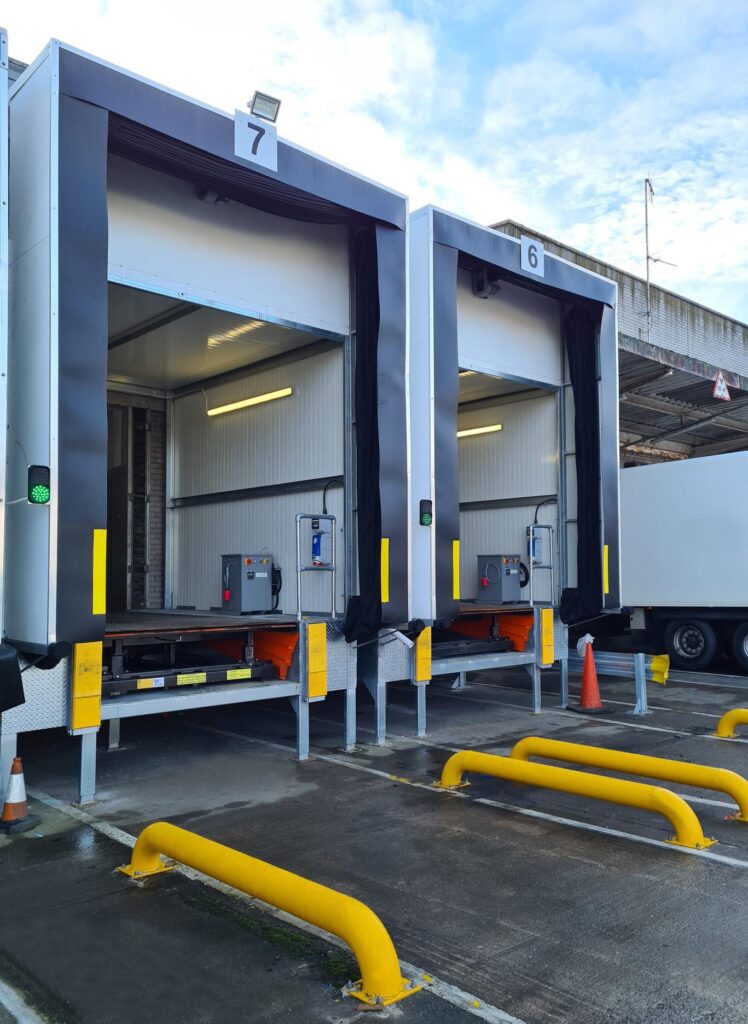
Dock levellers are a crucial component in the efficient operation of any loading dock. They play a vital role in ensuring that goods can be transferred safely and smoothly between the dock and the truck, minimising the risk of accidents and improving overall workflow.
Without a reliable dock leveller, the process of loading and unloading can become cumbersome, time-consuming, and hazardous.
Among the various types of dock levellers available, the Edge of Dock (EOD) leveller stands out for its specific applications and advantages. EOD levellers are designed to provide a simple, effective solution for bridging the gap between the dock and the truck bed, especially in situations where the height difference is minimal.
They are an essential tool for businesses looking to streamline their loading dock operations without the need for more extensive pit leveller installations.
At BID Group, we specialise in providing comprehensive loading bay solutions tailored to the unique needs of your operation. Our expertise includes the installation and maintenance of high-quality edge of dock levellers, ensuring your facility runs efficiently and safely.
What is an Edge of Dock Leveller?
Definition and Basic Function
An edge of dock leveller is a type of dock leveller specifically designed to be installed at the edge of the loading dock, allowing it to bridge the gap between the dock and the truck bed. Unlike pit levellers, which are installed in a recessed pit in the dock, EOD levellers are mounted directly on the dock face.
This makes them a more compact and cost-effective solution, particularly suited to facilities where dock heights are relatively consistent and where space or budget constraints make a full pit leveller installation impractical.
The primary function of an EOD leveller is to create a seamless transition between the dock and the truck. It compensates for minor height differences and ensures that forklifts and other material handling equipment can move safely between the dock and the truck bed without the risk of tipping or uneven surfaces.
This is achieved by the leveller’s lip, which extends out to rest on the truck bed, providing a secure pathway for the transfer of goods.
Types of Edge of Dock Levellers
Edge of dock levellers come in various types, each designed to meet different operational needs and preferences. The three main types are hydraulic, manual, and mechanical EOD levellers, each offering distinct advantages depending on the application.
Hydraulic Edge of Dock Levellers
Hydraulic EOD levellers are powered by a hydraulic system, making them easy to operate with minimal physical effort. The hydraulic mechanism allows for smooth, consistent operation, ensuring the leveller is deployed and retracted efficiently.
This type of leveller is particularly beneficial in high-traffic loading docks where speed and ease of use are critical.
Hydraulic EOD levellers are also ideal for environments where safety and reliability are paramount, as the hydraulic system provides precise control over the leveller’s movement, reducing the risk of accidents.
Manual Edge of Dock Levellers
Manual EOD levellers are operated by a lever or handle, requiring physical effort to position the leveller. While they may require more effort to operate compared to their hydraulic counterparts, manual EOD levellers are a cost-effective solution for loading docks with lower traffic volumes or where budget constraints are a consideration.
These levellers are straightforward to use and maintain, making them a reliable choice for many facilities. They are particularly suited to smaller operations where the simplicity of manual operation is an advantage.
Mechanical Edge of Dock Levellers
Mechanical EOD levellers are similar to manual levellers but are designed with a spring-loaded mechanism that assists in lifting the leveller into place. This reduces the physical effort required to operate the leveller, making it easier to deploy and retract.
Mechanical EOD levellers are known for their durability and lower maintenance requirements, as they have fewer components that can wear out over time. This makes them a robust choice for facilities where reliability and minimal maintenance are key considerations.
How Edge of Dock Levellers Work
Installation Process
The installation of an edge of dock (EOD) leveller is a straightforward process, but it requires careful planning and precision to ensure optimal performance. The first key consideration is the dock height.
EOD levellers are designed to accommodate minor height differences between the dock and the truck bed, so it’s important to ensure that your dock height aligns well with the range that the leveller can cover. This is crucial for ensuring that the leveller can be used effectively with the types of vehicles that frequent your loading dock.
Vehicle compatibility is another important factor. Before installation, it’s essential to assess the types of vehicles that will be using the dock. This includes considering the range of truck bed heights and the weight of the loads they carry.
Ensuring compatibility helps in choosing the right type of EOD leveller, whether it’s hydraulic, manual, or mechanical, and in determining the correct size and capacity for the leveller.
At BID Group, we offer professional installation services that take all these factors into account. Our team of experts will assess your loading bay’s specific needs and provide a custom solution that ensures seamless integration and optimal functionality.
We also provide guidance on the best type of leveller for your operations, whether you need a simple manual system or a more advanced hydraulic setup.
Operation and Mechanisms
Edge of dock levellers are designed to create a smooth transition between the dock and the truck bed, making loading and unloading safer and more efficient. The operation of an EOD leveller depends on the type of mechanism it uses—manual, hydraulic, or mechanical.
Manual edge of dock levellers are operated using a lever or handle. The operator manually positions the leveller by pulling the lever, which raises the lip of the leveller onto the truck bed. While this type of operation requires physical effort, it is straightforward and reliable, making it suitable for lower-traffic docks or facilities where budget is a concern.
Hydraulic edge of dock levellers, on the other hand, use a hydraulic system to position the leveller with minimal effort. The operator simply presses a button to activate the hydraulic mechanism, which smoothly raises the leveller and positions the lip on the truck bed. This type of operation is ideal for high-traffic docks where speed and ease of use are essential, and where safety is a top priority.
Mechanical edge of dock levellers operate similarly to manual levellers but with the assistance of a spring-loaded mechanism. This mechanism reduces the amount of force required to lift the leveller, making it easier to operate while still being cost-effective. The mechanical design also enhances durability and reduces maintenance needs, making it a popular choice for facilities that require a robust, low-maintenance solution.
Benefits of Using an Edge of Dock Leveller
Improved Safety
Edge of dock levellers play a crucial role in improving safety during the loading and unloading process. By bridging the gap between the dock and the truck bed, they provide a stable and secure platform for the transfer of goods.
This reduces the risk of accidents, such as slips, trips, and falls, which can occur when there is an uneven surface or a significant height difference between the dock and the vehicle. The secure lip of the leveller ensures that forklifts and other material handling equipment can move smoothly across the threshold, minimising the chances of tipping or instability.
BID Group’s edge of dock levellers are designed with safety as a top priority. Our EOD levellers are equipped with features such as slip-resistant surfaces, safety lips to prevent overrun, and secure locking mechanisms to hold the leveller in place during use.
These features work together to create a safer working environment, protecting both your employees and your equipment.
Increased Efficiency
Efficiency is key to any successful loading dock operation, and edge of dock levellers are designed to streamline the loading and unloading process. By providing a quick and easy way to bridge the gap between the dock and the truck bed, EOD levellers reduce the time it takes to move goods in and out of vehicles.
This not only speeds up the overall process but also reduces the amount of labour required, as workers can load and unload more efficiently with less effort.
BID Group’s edge of dock levellers are engineered to boost operational efficiency. Whether you’re handling high volumes of shipments or dealing with tight schedules, our EOD levellers ensure that your loading dock operates smoothly and without unnecessary delays.
The ease of use and reliability of our levellers mean that your team can focus on getting the job done quickly and safely, leading to increased productivity and cost savings.
Space-Saving Design
In facilities where space is at a premium, the compact design of edge of dock levellers offers a significant advantage. Unlike pit levellers, which require a recessed installation that takes up valuable dock space, EOD levellers are mounted directly on the edge of the dock.
This design minimises the amount of space needed for installation and operation, making them an ideal solution for smaller loading docks or facilities with limited room for equipment.
BID Group’s edge of dock levellers are designed with flexibility in mind. We offer customisable solutions that can be tailored to fit specific dock configurations, ensuring that you get the most out of your available space.
Whether you need a leveller that fits within tight quarters or one that integrates seamlessly with your existing dock setup, our team can provide a solution that meets your needs without compromising on performance.
Choosing the Right Edge of Dock Leveller for Your Facility
Assessing Your Needs
Selecting the right edge of dock leveller for your facility starts with a careful assessment of your operational requirements. Consider the types of vehicles that frequent your loading dock, as well as the frequency of use.
If your dock regularly handles a variety of vehicle heights, you may need a leveller that offers greater adjustability. Additionally, consider the weight of the loads being transferred, as this will impact the type and capacity of the leveller you choose.
Dock height variability is another important factor. If your dock height is consistent, a standard EOD leveller may suffice. However, if there are significant height differences between the dock and the truck beds, you may need a more advanced leveller with greater flexibility.
Understanding these key factors will help you make an informed decision that enhances the efficiency and safety of your loading dock.
Consulting with BID Group Experts
When it comes to choosing the right edge of dock leveller, consulting with experts can make all the difference. At BID Group, our specialists have extensive experience in loading dock solutions and can provide personalised recommendations based on your specific needs.
Whether you’re upgrading an existing dock or designing a new facility, our team can guide you through the selection process, ensuring that you choose the best leveller for your operations.
We pride ourselves on offering custom solutions tailored to unique operational requirements. From initial consultation to installation and beyond, BID Group is committed to providing the support and expertise you need to optimise your loading dock performance. Our goal is to ensure that your facility runs smoothly and efficiently, with equipment that meets your exact needs.
Maintenance for Edge of Dock Levellers
At BID Group, we offer full maintenance services for edge of dock levellers, helping you to maintain the safety and efficiency of your equipment. Our maintenance programs are designed to extend the lifespan of your leveller, reduce the risk of unexpected breakdowns, and ensure compliance with safety standards.
With regular maintenance from BID Group, you can be confident that your loading dock will continue to operate safely and efficiently.
Dock Lift and Dock Leveller FAQs
What is an edge of dock leveller?
An edge of dock (EOD) leveller is a type of dock leveller designed to be installed directly at the edge of a loading dock. Its primary purpose is to bridge the gap between the dock and the truck bed, allowing for the safe and efficient transfer of goods.
EOD levellers are particularly useful in situations where the height difference between the dock and the truck is minimal, offering a compact and cost-effective solution for many loading docks.
How is an edge of dock leveller different from a pit leveller?
The key difference between an edge of dock leveller and a pit leveller lies in their installation and operation. An EOD leveller is mounted on the edge of the dock, making it a simpler and quicker installation with minimal structural modifications.
In contrast, a pit leveller is installed in a recessed pit within the dock floor, providing a greater range of height adjustment and better suited for docks that handle a variety of truck sizes. Pit levellers require more space and a more complex installation process, but they offer enhanced versatility in accommodating different vehicle heights.
What are the benefits of installing an edge of dock leveller?
Installing an edge of dock leveller offers several key benefits, including improved safety, increased efficiency, and space savings. EOD levellers reduce the risk of accidents by providing a stable bridge between the dock and the truck bed, making the loading and unloading process safer for workers.
They also streamline operations by allowing for quicker and easier transfer of goods, reducing labour costs and enhancing productivity. Additionally, their compact design is ideal for facilities with limited space, offering a practical solution without the need for extensive structural modifications.
How often should an edge of dock leveller be maintained?
To ensure optimal performance and safety, an edge of dock leveller should be maintained regularly. Routine maintenance should include inspections of the moving parts, lubrication of hinges and hydraulic components, and checks on the locking mechanisms and safety features.
Depending on the frequency of use, it’s recommended to perform these maintenance tasks at least once a month, with a more thorough inspection and service performed annually. Regular maintenance helps prevent unexpected breakdowns and extends the lifespan of the leveller.