Tips for Reducing Heat Loss Through Industrial Doors
Tips for Reducing Heat Loss Through Industrial Doors
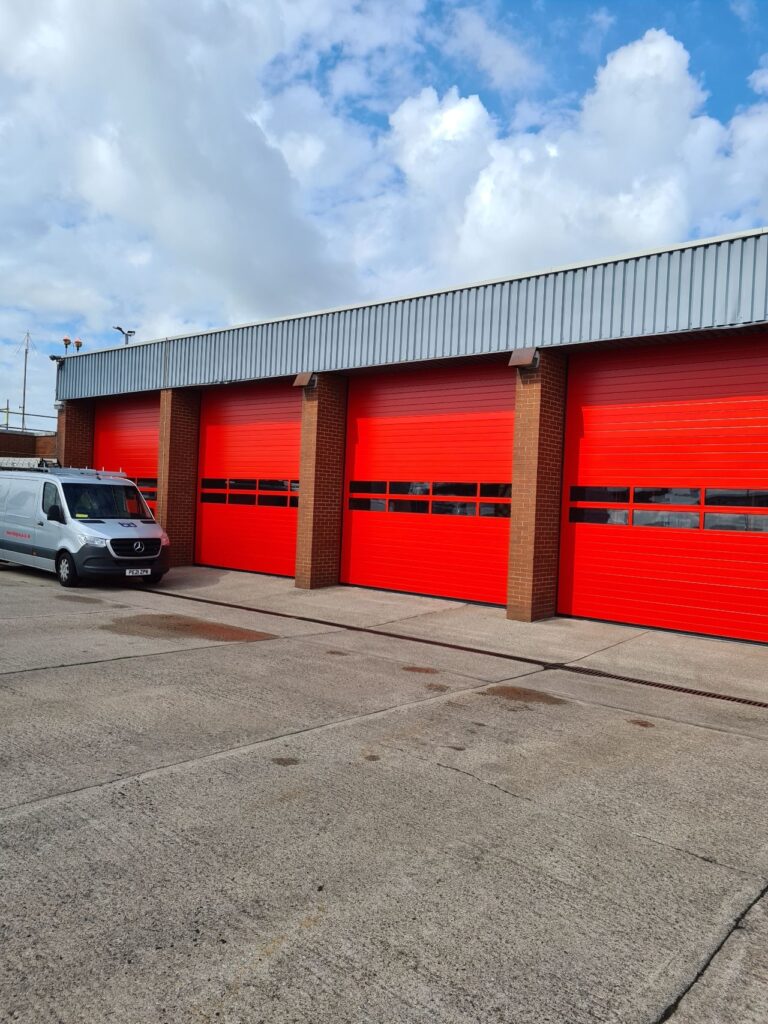
Reducing heat loss through industrial doors is not just about saving on energy bills; it’s a step towards more efficient operations, cost-effectiveness, and supporting environmental sustainability.
Industrial settings, with their large open spaces and frequent door openings, face unique challenges in maintaining temperature control. Efficiently managing heat loss can significantly impact your energy consumption, reduce operational costs, and enhance the comfort of your workspace.
Impact of Heat Loss on Businesses
The repercussions of heat loss go beyond increased energy bills. For businesses, it can mean a decrease in overall operational efficiency, as machinery may need to work harder to maintain optimal conditions. Furthermore, employee comfort can be affected, impacting productivity and well-being.
It’s not just heat loss that leads to inefficiency and problems for businesses. Facilities that work with perishable items must also maintain cooler conditions, such as those working with:
- Fruits and vegetables
- Frozen food
- Meats
- Seafood
- Dairy products
- Flowers
- Beverages like wines and spirits
- Chemical products
- Temperature controlled pharma products like vaccines
Key Factors Contributing to Energy Loss Through Doors
Several factors can contribute to energy loss through industrial doors. Poor insulation, where doors are not equipped with adequate insulating materials, is a key concern. Gaps and spaces around the doors, as well as worn seals, allow warm air to escape and cold air to enter, leading to increased energy demands on your business’ heating system.
Regular wear and tear from operational use can also compromise a door’s integrity over time, making it less efficient at keeping heat in.
Choosing the Right Industrial Doors
Selecting the right industrial doors is an important step in minimising heat loss. Doors like Insulated Roller Doors and Sectional Doors are designed specifically with insulation in mind, incorporating materials that significantly reduce heat transfer.
Sectional overhead doors have sealed edges and sections making them not only weather resistant, but also sound proof, offering supreme condition regulation.
These doors not only help in maintaining the desired internal temperatures but also play a crucial role in energy efficiency for your business.
Proper Installation and Maintenance
The benefits of well-insulated doors can only be fully achieved through proper installation and regular maintenance. An expertly installed door ensures that there are no gaps or misalignments that could lead to heat escaping.
Regular industrial door maintenance by professionals like BID Group ensures that any wear and tear, which might compromise the door’s insulating properties, is promptly addressed. This includes checking the seals, fixing any damage, and ensuring the door’s mechanisms function smoothly, all of which are essential for minimising heat loss.
Sealing and Weatherproofing
Effective sealing and weatherproofing are key strategies in reducing heat loss through industrial doors. This involves installing weather stripping around door edges and using sealants to fill any gaps that might allow heat to escape.
Additional Industrial Door Features For Energy Efficiency
Automated doors help to minimise the time doors remain open, significantly reducing heat loss. Thermal curtains, which can be automatically deployed, offer an additional layer of insulation without hindering access.
BID Group: Your Partner in Efficient Industrial Doors
Custom Solutions for Every Need
At BID Group, we understand that every business facility has its unique challenges and requirements. That’s why we specialise in designing, manufacturing, and installing custom industrial doors tailored to meet specific thermal and operational needs.
Our bespoke solutions ensure that whether you’re looking to enhance security, improve energy efficiency, or both, your doors are precisely engineered for optimal performance. Using advanced materials and innovative design, we create doors that not only meet but exceed expectations, ensuring your premises are well-protected against heat loss and energy waste.
Comprehensive Repair and Maintenance Services
Our commitment to your business doesn’t end at installation. BID Group’s nationwide network of skilled technicians provides comprehensive repair and maintenance services to ensure your industrial doors remain as efficient and functional as the day they were installed.
Regular maintenance checks help identify and fix any potential issues before they escalate, preventing unwanted downtime and costly breakdowns. Our proactive approach to servicing ensures that any degradation in insulation or operational efficiency is addressed promptly, keeping your energy costs low and your operations running smoothly.
Energy Efficiency with Industrial Doors FAQs
What types of industrial doors are best for reducing heat loss?
The best types of industrial doors for reducing heat loss are Insulated Roller Doors and Sectional Doors, designed with specific thermal properties to minimise energy transfer. These doors are built with materials that provide superior insulation, helping to maintain stable temperatures within industrial settings.
How does proper installation impact the energy efficiency of industrial doors?
Proper installation is crucial for maximising the energy efficiency of industrial doors. A correctly installed door ensures a tight seal and fit, preventing air leaks and reducing heat loss. It’s important that installation is carried out by experienced professionals to ensure optimal performance and efficiency.
Can automated doors help in reducing heat loss?
Yes, automated doors can significantly help in reducing heat loss by minimising the amount of time the door remains open, thus limiting the exchange of indoor and outdoor air. Smart technology can further enhance this by ensuring doors are only open when absolutely necessary and for the shortest time possible.
How often should industrial doors be serviced to maintain their energy efficiency?
To maintain their energy efficiency, industrial doors should be serviced at least once a year. However, for doors in high-traffic areas or those exposed to severe conditions, more frequent servicing may be necessary to address wear and tear and ensure the insulation properties remain effective.
What are some signs that my industrial doors are causing heat loss?
Signs that your industrial doors are causing heat loss include noticeable drafts around the door, higher than usual energy bills, and difficulty maintaining consistent temperatures inside the premises. Visible gaps, damaged seals, or wear and tear on the door itself can also indicate that heat loss is occurring.
How quickly can BID Group respond to repair needs for industrial doors?
BID Group prides itself on its rapid response times for repair needs. Our nationwide network of 24/7 engineers ensures that urgent repairs can be addressed promptly, minimising downtime and ensuring your operations can continue smoothly.