Top Loading Dock Safety Tips
Top Loading Dock Safety Tips
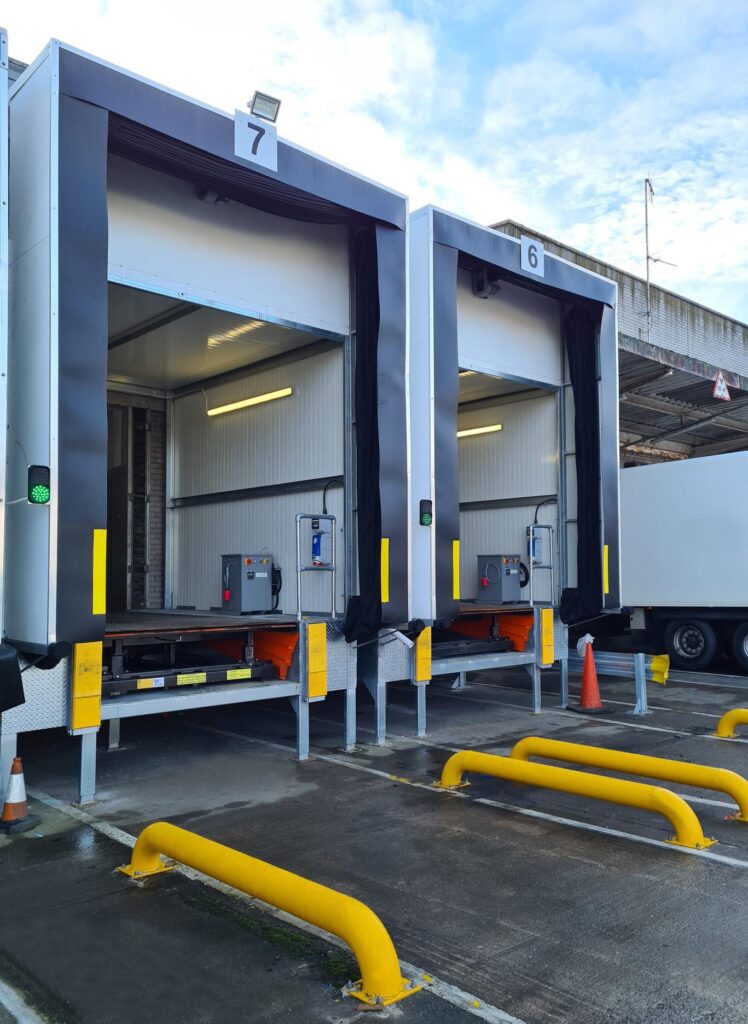
Ensuring safety at loading docks is a critical priority for industrial and warehouse operations. These high-traffic areas are vital to the flow of goods but can also pose significant risks if not properly managed.
Loading docks are bustling environments where workers, heavy machinery, and vehicles intersect. Without the right safety measures, hazards like slips, falls, and vehicle collisions can lead to accidents that disrupt operations and endanger personnel.
Safety is not just about compliance—it’s about creating a secure environment that allows your business to function efficiently.
By implementing effective safety procedures and using the right equipment, you can reduce the risk of incidents, protect your workforce, and maintain smooth operations.
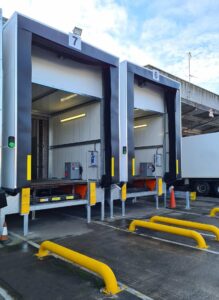
At BID Group, we understand the importance of a safe and efficient loading dock. That’s why we offer a comprehensive range of products, including dock levellers, dock shelters, dock buffers, and wheel guides, designed to enhance safety and functionality.
These solutions provide robust protection, improve workflow, and help prevent accidents, ensuring your loading dock is not just a functional space but a safe one too.
Common Loading Dock Hazards
Loading docks are essential for the efficient movement of goods, but they also present a variety of hazards that can compromise safety if not properly addressed. Recognising these risks is the first step toward creating a secure and efficient working environment.
Slips, Trips, and Falls
Slips, trips, and falls are among the most common accidents in loading dock areas. Uneven surfaces, wet or slippery floors, and improper footwear are major contributing factors.
Spilled liquids, loose debris, and poorly maintained surfaces can quickly turn a busy dock into a safety hazard.
To mitigate these risks, it’s crucial to maintain clean and dry dock areas. Regularly inspect floors for cracks or uneven surfaces, promptly address spills, and ensure that workers are equipped with slip-resistant footwear.
Proper lighting is also essential for visibility, especially during early mornings or late evenings when operations often peak.
Vehicle and Equipment Collisions
The constant movement of forklifts, trucks, and other machinery in loading dock areas increases the likelihood of collisions.
Poor visibility, crowded spaces, and lack of traffic management exacerbate these risks, leading to potential injuries and damage to goods or equipment.
Effective traffic management systems are critical in preventing these incidents. Designated pathways for vehicles and pedestrians, clearly marked zones, and the use of mirrors or cameras can significantly reduce collision risks
Implementing communication protocols, such as hand signals or radio systems, ensures that everyone in the area is aware of vehicle movements.
Improper Dock Leveller Use
Dock levellers are vital for bridging the gap between trucks and docks, but improper use or malfunctioning equipment can lead to serious accidents. Issues like uneven alignment, mechanical failures, or user errors can cause goods to shift unexpectedly or create unstable surfaces for workers and machinery.
Regular inspections and maintenance are essential to keep dock levellers functioning safely. At BID Group, we offer reliable dock leveller solutions designed to minimise these risks.
Training workers on proper operation and reporting any mechanical issues promptly can also prevent accidents and reduce downtime.
Falling Loads
Unsecured or improperly loaded goods present a significant danger in loading dock environments. Falling loads can result in injuries to workers or damage to valuable goods, particularly when lifting or moving heavy items.
The use of proper load-securing techniques and equipment is vital to mitigate this risk. Workers should be trained in best practices for stacking and securing items, and businesses should invest in tools such as load stabilisers, straps, and barriers.
Regular checks of loads before transport or unloading can help ensure safety throughout the process.
Addressing these common hazards proactively creates a safer, more productive loading dock environment, reducing the likelihood of accidents and ensuring smooth operations.
Essential Loading Dock Safety Tips
Implementing safety measures at loading docks is crucial to reducing accidents and maintaining a smooth workflow. Below are key safety tips to help safeguard your workers and facility while optimising operations.
Conduct Regular Safety Assessments
Performing regular safety assessments is the cornerstone of a safe loading dock. These evaluations help identify potential hazards before they lead to accidents. Creating a detailed safety checklist for daily inspections ensures consistency and thoroughness.
Key areas to inspect include the condition of dock levellers, lighting, cleanliness of the area, and the functionality of safety equipment. By addressing hazards promptly, you can maintain a secure environment for workers and vehicles.
Use Proper Loading Dock Equipment
Equipping your loading dock with the right tools is critical for preventing accidents and ensuring efficiency. Dock levellers are essential for creating a smooth transition between vehicles and the warehouse floor, preventing trips, falls, and equipment instability.
Dock shelters and seals further enhance safety by providing a weather-resistant barrier, keeping rain, wind, and debris out of the loading area. This not only protects goods but also ensures a safer working environment for employees.
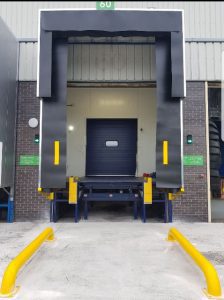
Train Staff on Safety Procedures
Regular training sessions for employees play a significant role in maintaining loading dock safety.
Workers should understand the correct operation of equipment like dock levellers, wheel guides, and forklifts, as well as emergency protocols for various scenarios.
Topics to cover include:
- Proper handling and securing of goods.
- Equipment inspection and reporting faults.
- Response procedures for spills, accidents, or equipment malfunctions.
Keeping employees informed and updated ensures they can operate confidently and safely.
Ensure Proper Lighting and Visibility
Visibility is key to preventing accidents in loading dock areas. Proper lighting reduces the risk of slips, trips, and falls by illuminating potential hazards.
Bright, even lighting should cover the entire dock area, including pathways, dock entrances, and vehicle alignment zones.
Adding reflective markers or guides can further aid in vehicle alignment, particularly during early mornings or late evenings when visibility might be reduced.
Use Wheel Guides and Dock Buffers
Wheel guides are essential for helping drivers position vehicles accurately at the dock, minimising the risk of collisions or misalignment. This ensures a safe and efficient loading and unloading process.
Dock buffers provide an additional layer of protection by absorbing impact forces when vehicles back into the dock. These buffers reduce wear and tear on the dock structure and vehicles, extending the life of your equipment while enhancing safety.
Secure Goods Properly
Properly securing goods is vital to avoid accidents caused by falling loads. Unstable or unsecured items can lead to serious injuries and damage during transport or unloading.
Encourage the use of safety straps, nets, or stabilising bars to keep goods in place. Regularly inspect loading equipment to ensure it’s capable of handling the weight and size of loads securely.
Implement Traffic Management Systems
Efficient traffic management is key to preventing collisions between vehicles, pedestrians, and equipment. Designate separate lanes for vehicles and pedestrians, clearly marked with signs or painted lines.
Barriers or bollards can further separate pedestrian walkways from areas where forklifts and trucks operate, reducing the chance of accidents. Additionally, consider traffic lights or visual signals to manage vehicle movements effectively.
By following these essential safety tips, businesses can create a secure and efficient loading dock environment that minimises risks and enhances productivity.
At BID Group, our range of innovative loading dock solutions is designed to support your safety and operational goals.
Preventing Loading Dock Accidents with BID Group Products
Loading dock safety is paramount in creating a secure and efficient working environment. At BID Group, we offer a comprehensive range of products specifically designed to mitigate risks and enhance the safety of your loading bay operations.
Dock Levellers for Safer Loading and Unloading
Dock levellers are essential for bridging the height gap between the dock and the vehicle, creating a smooth and stable platform for loading and unloading. This reduces the risk of trips and falls, ensuring workers can operate safely and efficiently.
At BID Group, our dock levellers are manufactured to meet the highest safety and performance standards.
With options for telescopic or hinged lip designs, our levellers are robust, reliable, and compliant with industry regulations.
Regular maintenance and inspections of dock levellers further enhance their functionality, keeping your operations running smoothly and safely.
Dock Shelters and Seals for Protection
Dock shelters and seals play a crucial role in protecting both workers and goods from external elements like rain, wind, and temperature fluctuations. By creating a weather-resistant barrier between the vehicle and the dock, they enhance safety and comfort during loading and unloading operations.
BID Group’s dock shelters and seals are designed for maximum durability and performance, ensuring they provide long-lasting protection in demanding environments.
This not only safeguards goods from potential weather damage but also reduces slip hazards caused by wet or icy surfaces.
Dock Buffers for Impact Absorption
Accidental impacts during docking can result in significant structural damage to your facility and vehicles. Dock buffers act as a protective barrier, absorbing the impact forces when vehicles reverse into the loading dock.
This not only protects the structural integrity of your dock but also minimises repair costs for vehicles and infrastructure.
Our dock buffers at BID Group are constructed from heavy-duty materials to withstand frequent use in busy loading bays. By reducing the shock of impacts, these buffers create a safer and more efficient docking process.
Wheel Guides for Precise Vehicle Alignment
Accurate vehicle positioning is essential for safe and efficient loading dock operations. Misaligned vehicles can cause accidents, delays, and damage to goods or equipment. Wheel guides help drivers position vehicles correctly, minimising these risks.
BID Group’s wheel guides are engineered for durability and precision. These high-visibility guides assist drivers in achieving perfect alignment every time, reducing the risk of collisions and ensuring a smoother docking process.
Their simple yet effective design makes them an invaluable addition to any loading bay focused on safety and efficiency.
By incorporating BID Group’s loading dock solutions into your operations, you can significantly reduce the risk of accidents while enhancing overall productivity.
Contact us today to learn more about our comprehensive range of products designed to keep your loading dock safe and efficient.
Loading Dock Safety Procedures
A well-structured approach to safety is the backbone of any efficient and secure loading dock operation.
By establishing clear procedures and maintaining a proactive stance on safety, businesses can minimise risks and ensure seamless operations.
Establishing Clear Safety Protocols
Establishing written safety protocols is critical to creating a safe and well-organised loading dock environment. These protocols should cover every aspect of loading and unloading, from proper vehicle alignment to the secure handling of goods.
It’s essential to ensure all employees are familiar with these guidelines through regular training sessions.
Protocols should also be reviewed and updated periodically to reflect insights from safety assessments or changes in equipment and regulations.
Clear and accessible documentation allows everyone to understand their roles and responsibilities, fostering a culture of safety across the facility.
Emergency Preparedness
Preparing for emergencies is a key component of loading dock safety. Potential risks, such as vehicle roll-aways, falling loads, or equipment malfunctions, require swift and coordinated responses to minimise harm.
Training employees on emergency procedures ensures they know how to act under pressure, helping to prevent accidents from escalating.
Conducting regular emergency drills reinforces these protocols, giving workers the confidence to respond effectively in real scenarios. Emergency preparedness isn’t just about compliance—it’s about protecting your team and assets.
Routine Equipment Maintenance
Regular maintenance of loading dock equipment is essential for preventing accidents caused by malfunctioning tools or wear and tear.
Dock levellers, buffers, and other key components must be inspected routinely to identify potential issues before they lead to failures.
Loading Dock Safety FAQs
What are the most common loading dock hazards?
Loading docks can be hazardous due to a variety of risks, including slips, trips, and falls caused by uneven surfaces or wet conditions.
Vehicle collisions are another common issue, particularly in busy docks with frequent forklift and truck activity. Falling loads due to improper stacking or securing also pose a significant danger to workers.
Addressing these risks with proper procedures and equipment is essential for maintaining a safe environment.
How can dock levellers improve safety?
Dock levellers bridge the height difference between the dock and the vehicle, creating a stable and secure platform for loading and unloading goods. This minimises the risk of trips, falls, and equipment damage while ensuring smooth transitions during operations.
At BID Group, our high-quality dock levellers are built for reliability, reducing hazards and enhancing productivity.
What equipment helps prevent loading dock accidents?
Several pieces of equipment contribute to a safer loading dock environment. Dock levellers provide a seamless transition for goods and workers, while dock shelters and seals protect against weather and improve visibility.
Dock buffers absorb impact to prevent structural damage, and wheel guides ensure precise vehicle alignment, reducing the likelihood of accidents. Together, these tools create a comprehensive safety solution.
How often should loading dock equipment be inspected?
Loading dock equipment should be inspected regularly to ensure optimal performance and safety. For heavily used docks, daily visual checks are recommended to spot immediate hazards.
More thorough weekly or monthly inspections should be conducted to identify wear and tear or potential issues that could lead to equipment failure. Preventative maintenance schedules can further extend the lifespan of your equipment.
Does BID Group offer solutions for improving loading dock safety?
Absolutely. At BID Group, we provide a wide range of loading bay products designed to enhance safety and efficiency, including dock levellers, shelters, buffers, and wheel guides.
Our solutions are tailored to meet the unique needs of your facility, ensuring a safer and more productive working environment. Contact us today to learn how we can help improve safety at your loading dock.